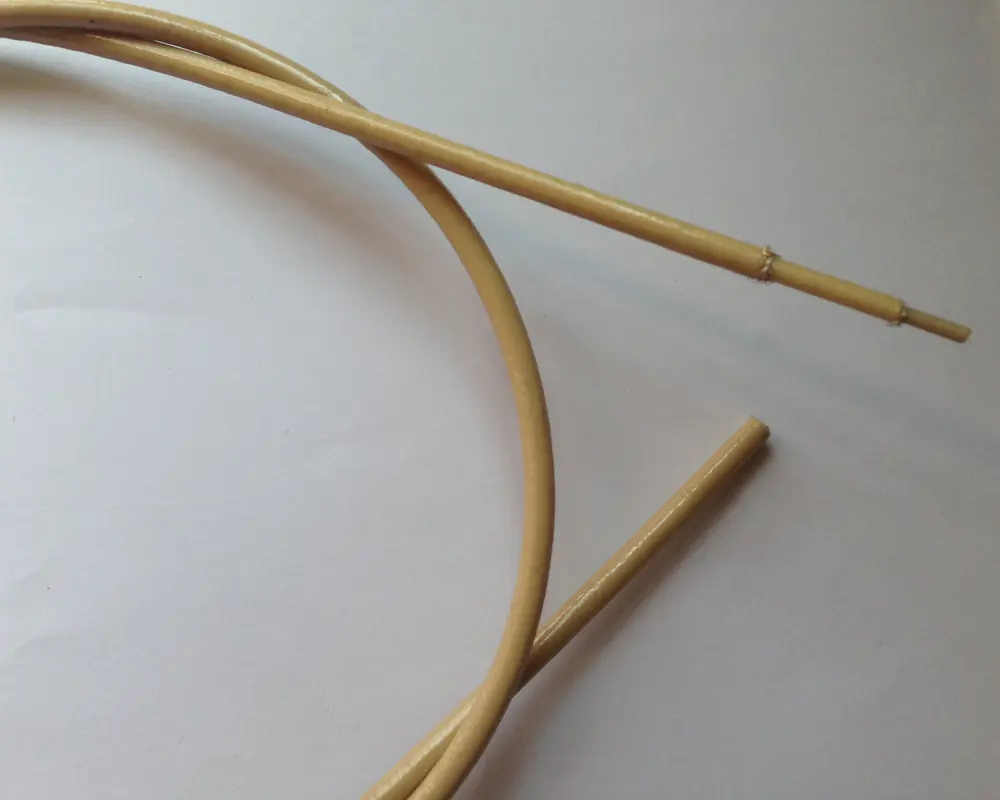
Wybierając kable do trudnych warunków, stajesz przed trudnym wyborem. Kable PEEK, fluoroelastomerowe i antykapilarne wyróżniają się jako najlepsze rozwiązania, ponieważ doskonale radzą sobie z działaniem substancji chemicznych, wilgocią, ekstremalnymi temperaturami i obciążeniami mechanicznymi. Te specjalistyczne kable zapewniają trwałą ochronę przed kwasami, wnikaniem wody i obciążeniami fizycznymi, gwarantując niezawodne działanie. Wybierając kabel, weź pod uwagę specyficzne czynniki stresu występujące w Twoim otoczeniu, aby dopasować odpowiedni kabel do swoich potrzeb.
Kable PEEK doskonale sprawdzają się w ekstremalnych temperaturach i są odporne na działanie substancji chemicznych, dzięki czemu idealnie nadają się do zastosowań w branżach o wysokich wymaganiach, takich jak przemysł naftowo-gazowy i lotniczy.
Kable fluoroelastomerowe zapewniają doskonałą elastyczność i ochronę przed substancjami chemicznymi i wilgocią, idealne do zastosowań takich jak produkcja półprzewodników.
Kable antykapilarne zapobiegają uszkodzeniu delikatnych podzespołów elektronicznych przez wilgoć, gwarantując niezawodność w wilgotnych warunkach, np. na morzu i w środowisku przemysłowym.
Wybierając kable, należy wziąć pod uwagę konkretne wyzwania środowiskowe, takie jak temperatura, substancje chemiczne i wilgotność, aby wybrać opcję najlepiej odpowiadającą Twoim potrzebom.
Skonsultuj się ze specjalistami od kabli, aby potwierdzić zgodność materiałów i zastosować najlepsze praktyki instalacyjne zapewniające długoterminową niezawodność w trudnych warunkach.
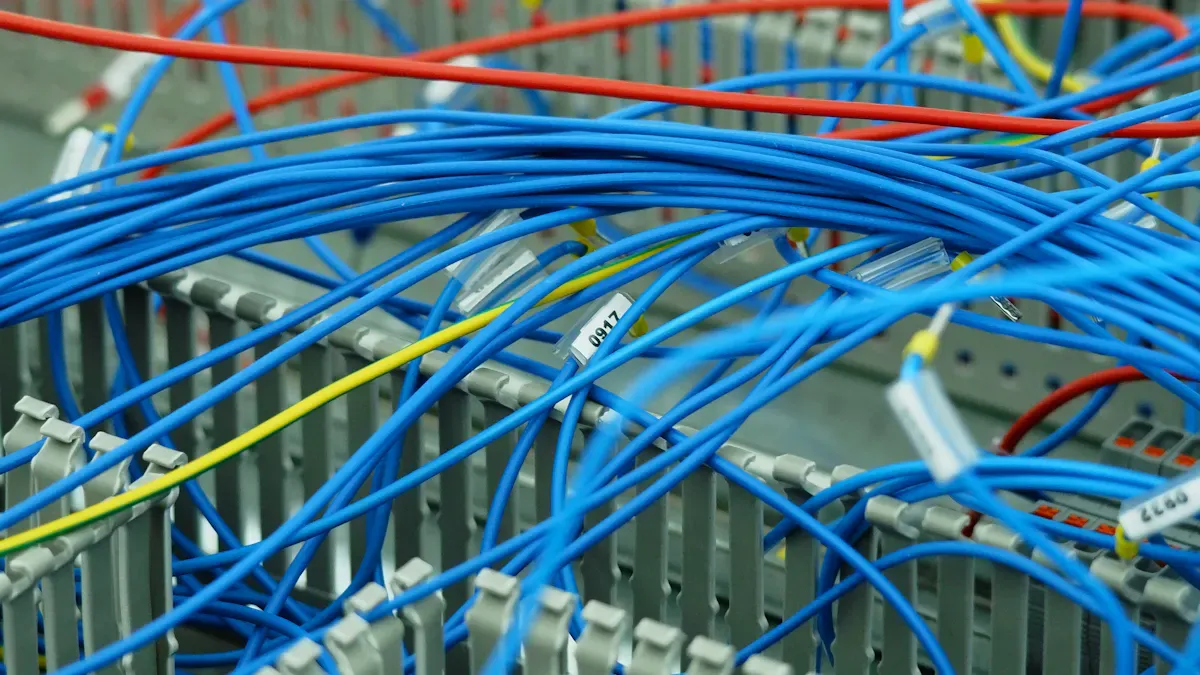
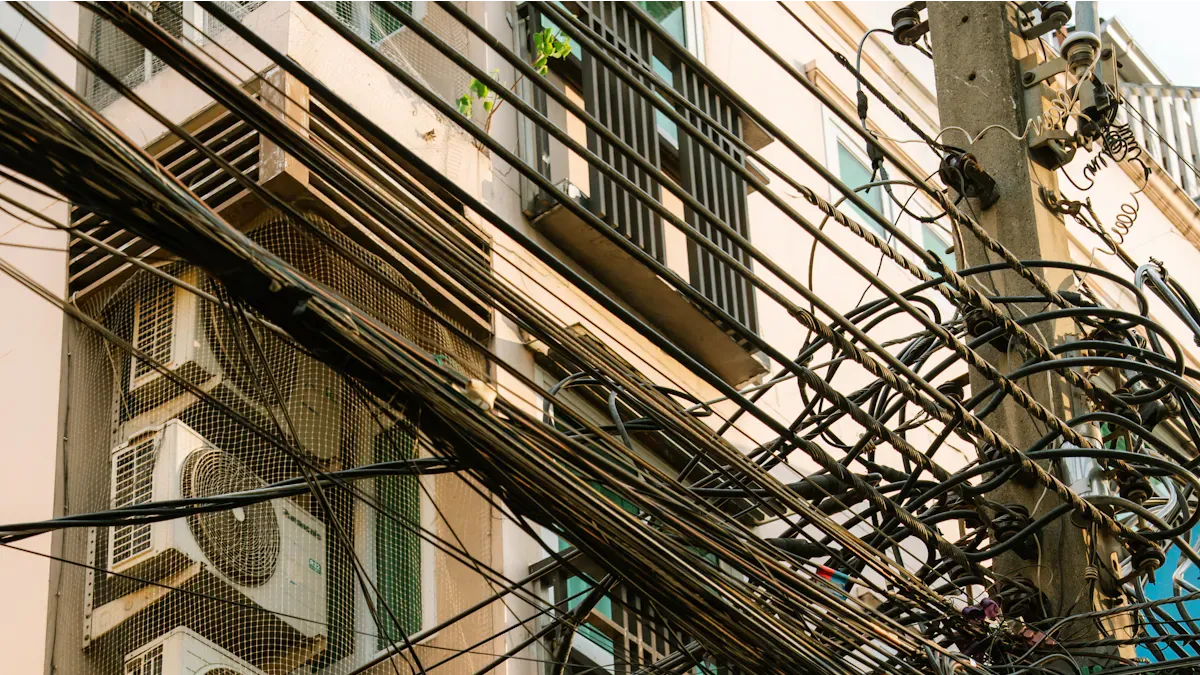
Kable pracują w trudnych warunkach, w których muszą być eksploatowane. Dotyczy to zakładów przemysłowych, instalacji zewnętrznych, sieci podziemnych i lokalizacji niebezpiecznych. Kable specjalistyczne do trudnych warunków są zaprojektowane tak, aby sprostać wyzwaniom takim jak ekstremalne temperatury, ekspozycja na substancje chemiczne, wilgoć i obciążenia mechaniczne. Normy branżowe klasyfikują środowiska na podstawie rodzaju włókna i jego zastosowania:
Typ włókna | Opis | Aplikacja |
|---|---|---|
OS1 | Zaprojektowany głównie do instalacji jednomodowych wewnątrz budynków | Budowanie szkieletowych systemów komunikacyjnych |
OS2 | Zoptymalizowany pod kątem dalekosiężnej komunikacji na zewnątrz | Kampusy przemysłowe i sieci infrastruktury |
OM1 / OM2 | Wczesne projekty wielomodowe | Krótkie odległości komunikacyjne w budynkach przemysłowych |
OM3 / OM4 | Rozwiązania wielomodowe o dużej przepustowości | Sieci automatyzacji i systemy komunikacji danych |
Należy również uwzględnić wymogi regulacyjne. Na przykład zgodność z dyrektywą RoHS ogranicza stosowanie substancji niebezpiecznych w izolacji i osłonach kabli, zapewniając bezpieczeństwo środowiskowe. Wiele jurysdykcji wymaga dokumentacji i prawidłowej instalacji, aby spełnić normy bezpieczeństwa.
Kable specjalistyczne napotykają szereg wyzwań w zakresie wydajności w trudnych warunkach. Wysokie temperatury przyspieszają starzenie się izolacji, czyniąc ją kruchą i podatną na pękanie. Cykle termiczne powodują rozszerzanie się i kurczenie, co prowadzi do naprężeń mechanicznych i potencjalnych uszkodzeń. Ekspozycja na substancje chemiczne zawarte w kwasach, alkaliach i rozpuszczalnikach może powodować degradację materiałów izolacyjnych. Naprężenia mechaniczne spowodowane wibracjami, zginaniem i rozciąganiem mogą negatywnie wpływać na wydajność kabla.
Wskazówka: Wybieraj specjalistyczne kable z trwałymi osłonami i zaawansowanymi kompozycjami polimerowymi, aby zwiększyć niezawodność w ekstremalnych warunkach.
Potrzebujesz kabli, które oferują:
Odporność na ekstremalne temperatury, wilgoć i substancje chemiczne
Ochrona przed wibracjami, obciążeniami fizycznymi i promieniowaniem UV
Wysoka wytrzymałość na rozciąganie podczas montażu i eksploatacji
Elastyczna konstrukcja umożliwiająca łatwe prowadzenie przez ciasne przestrzenie
Funkcja projektowa | Opis |
|---|---|
Wytrzymałe kurtki zewnętrzne | Chronić przed ścieraniem, chemikaliami, wilgocią i promieniowaniem UV |
Kable światłowodowe pancerne | Zapewniają ochronę przed zgnieceniem, uszkodzeniami spowodowanymi przez gryzonie i uderzeniami mechanicznymi |
Wysoka wytrzymałość na rozciąganie | Wytrzymuje siły ciągnące występujące podczas instalacji i eksploatacji |
Elastyczna konstrukcja kabla | Umożliwia łatwe prowadzenie przewodów przez urządzenia, kanały i ciasne przestrzenie bez uszkadzania włókien |
Najnowsze osiągnięcia w dziedzinie specjalistycznych materiałów kablowych obejmują polimery usieciowane i specjalistyczne osłony ochronne. Te innowacje pomagają kablom wytrzymać wysokie temperatury, wilgoć i naprężenia fizyczne, dzięki czemu idealnie nadają się do wymagających sektorów, takich jak energetyka, transport i obronność.
Potrzebujesz kabli, które zapewnią stałą wydajność w ekstremalnych warunkach. CITCable Kable PEEK wykorzystują zaawansowaną konstrukcję Metody i materiały zapewniające trwałość i niezawodność. Przewodnik zazwyczaj wykonany jest z cynowanej miedzi lub gołej miedzi, co poprawia przewodność i zapobiega korozji. Warstwa izolacyjna wykonana jest z PEEK-u, wysokowydajnego polimeru zapewniającego doskonałą ochronę elektryczną i mechaniczną. Niektóre projekty zawierają dodatkową warstwę osłony dla lepszej ochrony.
Funkcja | Opis |
|---|---|
Dyrygent | Miedź cynowana lub miedź goła zapewniająca lepszą przewodność i odporność na korozję. |
Warstwa izolacyjna | PEEK zapewnia doskonałą ochronę elektryczną i mechaniczną. |
Warstwa osłonowa (opcjonalnie) | Dodatkowa osłona zapewniająca lepszą ochronę. |
Odporność na wysoką temperaturę | Pracuje w sposób ciągły w temperaturach do 260°C. |
Ognioodporność | Spełnia normę UL 94 V-0, zapobiegając rozprzestrzenianiu się ognia. |
Odporność chemiczna | Nadaje się do stosowania w trudnych warunkach ze względu na doskonałą odporność na korozję chemiczną. |
Wytrzymałość mechaniczna | Wysoka wytrzymałość i odporność na ścieranie gwarantują trwałość w trudnych warunkach. |
Izolacja elektryczna | Dobre parametry izolacji elektrycznej zapewniające stabilną transmisję sygnału. |
Biozgodność | Nieszkodliwe dla organizmu człowieka, nadają się do stosowania w urządzeniach medycznych i implantach. |
Lekki | Zmniejsza całkowitą wagę kabla, zwiększając jego użyteczność. |
Uwaga: Kable PEEK firmy CITCable spełniają surowe normy branżowe dotyczące ognioodporności i biokompatybilności. Możesz polegać na tych kablach zarówno w zastosowaniach przemysłowych, jak i medycznych.
Wybierając kable PEEK do pracy w trudnych warunkach, zyskujesz szereg kluczowych cech. Izolacja PEEK zapewnia wyjątkową odporność na temperaturę, umożliwiając ciągłą pracę w temperaturach do 240°C. Materiał jest odporny na większość chemikaliów, z wyjątkiem stężonego kwasu siarkowego, dzięki czemu idealnie nadaje się do środowisk korozyjnych. Wzmocnione gatunki PEEK zapewniają wysoką wytrzymałość mechaniczną i odporność na ścieranie.
Nieruchomość | Kable PEEK | Inne typy kabli |
|---|---|---|
Odporność na temperaturę | Długotrwałe użytkowanie do 240°C | Różnie, zazwyczaj niżej |
Odporność chemiczna | Doskonały, z wyjątkiem stężonego kwasu siarkowego | Różnie, często mniej odporny |
Wytrzymałość mechaniczna | Wysokie, wzmocnione gatunki zapewniają większą wytrzymałość | Ogólnie niższy niż PEEK |
Zyskujesz również niezawodną izolację elektryczną, która gwarantuje stabilną transmisję sygnału. Lekka konstrukcja zmniejsza nakład pracy podczas instalacji i poprawia funkcjonalność. Kable PEEK firmy CITCable oferują ognioodporność, zgodną z normą UL 94 V-0, co zapobiega rozprzestrzenianiu się ognia w środowiskach krytycznych.
Kable PEEK firmy CITCable doskonale sprawdzają się w trudnych warunkach, w których występują ekstremalne temperatury, agresywne chemikalia i obciążenia mechaniczne. Możesz używać tych specjalistycznych kabli w miejscach wymagających wysokiej wydajności i długotrwałej niezawodności. Izolacja PEEK jest odporna na korozję, promieniowanie i pękanie naprężeniowe. Unikasz częstych wymian i przestojów, ponieważ kable te zachowują integralność w trudnych warunkach.
Wskazówka: Jeśli potrzebujesz kabli przeznaczonych do pracy w środowisku o wysokiej temperaturze, korozyjnym lub pod wysokim ciśnieniem, rozważ rozwiązania kablowe PEEK firmy CITCable przeznaczone do trudnych warunków.
Korzyścią jest również biokompatybilność, dzięki której kable PEEK nadają się do urządzeń medycznych i implantów. Właściwości trudnopalne chronią Twój sprzęt i personel w miejscach niebezpiecznych. Możesz być pewien, że te kable zapewnią stałą wydajność w sektorach naftowo-gazowym, lotniczym i przemysłowym.
Znajdziesz Kable PEEK w szerokiej ofercie Branże wymagające solidnej wydajności. Kable PEEK firmy CITCable radzą sobie z wyzwaniami środowiskowymi, takimi jak korozja, promieniowanie i zużycie mechaniczne. Typowe zastosowania obejmują:
Lotnictwo i kosmonautyka: Wsporniki, opaski zaciskowe i wiązki przewodów wykonane są z kabli PEEK, które charakteryzują się niską wagą i odpornością chemiczną.
Medycyna: klatki kręgosłupa, uchwyty chirurgiczne i urządzenia wszczepialne wymagają biokompatybilności i stabilności sterylizacji.
Elektronika: Złącza i elementy mocujące PCB charakteryzują się wytrzymałością dielektryczną i stabilnością termiczną.
Motoryzacja: W listwach paliwowych, przekładniach i uszczelnieniach zastosowano kable PEEK zapewniające odporność na ciepło i substancje chemiczne.
Ropa naftowa i gaz: Łożyska i uszczelnienia wymagają wydajności HPHT i odporności chemicznej.
Przemysł: Obudowy pomp i przekładnie muszą charakteryzować się odpornością na zużycie i stabilnością wymiarową.
Jeśli potrzebujesz więcej informacji o specjalistycznych kablach przeznaczonych do trudnych warunków, zapoznaj się z rozwiązaniami kablowymi CITCable odpornymi na wysokie temperatury lub odpornymi na korozję produktami kablowymi do wymagających zastosowań.
Wskazówka: Możesz zwiększyć niezawodność i bezpieczeństwo systemu, wybierając kable PEEK firmy CITCable do pracy w trudnych warunkach. Te specjalistyczne kable oferują niezrównaną trwałość i wydajność.
Potrzebujesz kabli, które wytrzymają najtrudniejsze warunki. Fluoroelastomery zapewniają wyjątkową odporność na temperaturę, chemikalia i zużycie. Producenci często wzbogacają te materiały o nanorurki grafenowe, które dodatkowo zwiększają trwałość i wydajność. Zyskujesz kabel, który zachowuje elastyczność i integralność nawet w kontakcie z agresywnymi chemikaliami lub wysoką temperaturą. To sprawia, że kable fluoroelastomerowe idealnie nadają się do wysokowydajnych zastosowań w elektronice, automatyce przemysłowej i środowiskach, w których niezawodność ma największe znaczenie.
Wskazówka: Wybierz kable fluoroelastomerowe, jeśli potrzebujesz stabilnej pracy w środowiskach korozyjnych lub w wysokiej temperaturze.
Wybierając kable fluoroelastomerowe do pracy w trudnych warunkach, zyskujesz szereg korzyści. Poniższa tabela przedstawia cechy, które wyróżniają te kable:
Funkcja | Opis |
|---|---|
Wysoka wydajność | Najwyższa w branży odporność na działanie substancji chemicznych, ciepła i plazmy. |
Zaprojektowane do pracy w trudnych warunkach | Doskonale nadaje się do wymagających zastosowań, takich jak urządzenia do trawienia półprzewodników, gdzie odporność plazmy i długa żywotność mają kluczowe znaczenie. |
Wydłużone okresy między przeglądami | Wyjątkowa trwałość pomaga ograniczyć degradację uszczelnień, co przekłada się na dłuższy czas sprawności i bezpieczeństwo operacyjne. |
Możesz polegać na tych specjalistycznych kablach, które zapewniają stabilną pracę i minimalizują przestoje. Solidna konstrukcja gwarantuje ochronę Twojego sprzętu nawet w najbardziej wymagających warunkach.
Kable fluoroelastomerowe oferują wyjątkowe korzyści środowiskowe. Zapewniają doskonałą odporność na kwasy, rozpuszczalniki i ekstremalne temperatury. Materiał zapobiega degradacji pod wpływem promieniowania UV i ozonu, co wydłuża żywotność kabla. Pozwala to uniknąć częstych wymian i obniżyć koszty konserwacji. Kable te są również odporne na działanie plazmy, dzięki czemu nadają się do środowisk, w których występują wyładowania elektryczne lub procesy wysokoenergetyczne.
Wskazanie: Wybierając kable fluoroelastomerowe do pracy w trudnych warunkach, można zwiększyć bezpieczeństwo operacyjne i niezawodność.
Więcej informacji na temat odpornych na korozję rozwiązań kablowych przeznaczonych do trudnych warunków można znaleźć w naszym poradniku dotyczącym specjalistycznych kabli o wysokiej wydajności.
Kable fluoroelastomerowe są stosowane w wielu wymagających branżach. Kable te wspierają krytyczne operacje w:
Produkcja półprzewodników: Kable odporne na działanie plazmy zapewniają stabilną pracę w urządzeniach do trawienia i osadzania.
Zakłady przetwórstwa chemicznego: Kable kwasoodporne chronią systemy pomiarowe i sterujące.
Lotnictwo i obronność: Kable odporne na wysokie temperatury zachowują integralność podczas lotu i operacji o znaczeniu krytycznym.
Poszukiwania ropy naftowej i gazu: Specjalistyczne kable przeznaczone do trudnych warunków środowiskowych są odporne na działanie agresywnych substancji chemicznych i ekstremalnych temperatur.
Automatyka przemysłowa: Elastyczne kable do stosowania w ciasnych przestrzeniach zapewniają niezawodną transmisję sygnału i trwałość mechaniczną.
Więcej informacji na temat elastycznych kabli do automatyki przemysłowej i kabli kwasoodpornych do obróbki chemicznej można znaleźć na naszej stronie poświęconej specjalistycznym rozwiązaniom kablowym.
Uwaga: Zwiększysz niezawodność systemu i skrócisz okresy między przeglądami, wybierając kable fluoroelastomerowe do pracy w trudnych warunkach.
Potrzebujesz kabli, które blokują dostęp wilgoci do wrażliwych elementów elektronicznych. Konstrukcje kabli antykapilarnych rozwiązują ten problem, przerywając ścieżkę kapilarną wewnątrz przewodów wielożyłowych. W standardowych kablach, niewielkie puste przestrzenie między żyłami miedzianymi działają jak rurki kapilarne. Pod wpływem wody lub wysokiej wilgotności, podciśnienie wciąga wilgoć wzdłuż przewodu. Wilgoć ta może ominąć uszczelnienia i dotrzeć do krytycznych podzespołów, powodując awarie, które często są mylone z wadami uszczelnień.
Kable antykapilarne wykorzystują specjalistyczną konstrukcję przewodów i metody zalewania, aby zapobiec migracji cieczy. Symetryczna struktura przewodów zapewnia równomierne uszczelnienie i izolację. Asymetryczna konstrukcja blokuje również zjawisko kapilary po wypełnieniu odpowiednimi substancjami. Te zasady projektowania zapobiegają przemieszczaniu się wilgoci wzdłuż przewodu, chroniąc urządzenia w wymagających warunkach.
Konstrukcja przewodu antykapilarnego zapobiega przemieszczaniu się płynu wzdłuż żył przewodnika.
Symetryczna konstrukcja zwiększa szczelność i niezawodność.
Konstrukcje asymetryczne z wypełniaczami i izolacją skutecznie blokują podciąganie kapilarne.
Wskazówka: W środowiskach, w których wilgoć może stwarzać ryzyko uszkodzenia delikatnych urządzeń elektronicznych, należy wybierać kable antykapilarne.
Wybierając kable antykapilarne do pracy w trudnych warunkach, zyskujesz szereg korzyści. Kable te zawierają związki uszczelniające, które zapobiegają migracji płynów poprzez działanie kapilarne. Konstrukcja kabli upraszcza rozwiązania uszczelniające i zmniejsza potrzebę stosowania zewnętrznych metod uszczelniania. Chroni to urządzenia elektroniczne przed uszkodzeniami spowodowanymi kontaktem z płynami i poprawia niezawodność w środowiskach narażonych na działanie płynów.
Funkcja | Kable antykapilarne | Standardowe kable odporne na wilgoć |
|---|---|---|
Zapobieganie migracji płynów | Zapobiega migracji płynów poprzez działanie kapilarne | Umożliwia przedostawanie się pewnej ilości płynu przez szczeliny |
Budowa | Zawiera substancję uszczelniającą barierę | Standardowa izolacja bez masy uszczelniającej |
Niezawodność i trwałość | Zwiększona niezawodność w środowiskach narażonych na działanie płynów | Mniej niezawodny w podobnych warunkach |
Ochrona urządzeń elektronicznych | Zabezpiecza przed uszkodzeniami spowodowanymi przez płyny | Wyższe ryzyko uszkodzenia w wyniku narażenia na działanie płynów |
Uproszczone rozwiązania uszczelniające | Zmniejsza potrzebę stosowania zewnętrznych metod uszczelniania | Często wymaga dodatkowych środków uszczelniających |
Wydajność w trudnych warunkach | Zaprojektowane do ekstremalnych warunków (np. wysokich temperatur) | Ograniczona wydajność w trudnych warunkach |
Więcej informacji na temat konstrukcji kabli antykapilarnych można znaleźć w naszym poradniku dotyczącym kabli blokujących wilgoć w zastosowaniach przemysłowych.
Stosując kable antykapilarne, unikniesz kosztownych przestojów i awarii sprzętu. Kable te zapobiegają migracji wilgoci wzdłuż przewodu, nawet w środowiskach o wysokiej wilgotności lub narażonych na bezpośrednie działanie wody. Zmniejsza to ryzyko korozji, zwarć i degradacji sygnału. Konstrukcje antykapilarne upraszczają również instalację, ponieważ nie wymagają dodatkowych uszczelnień.
Wskazanie: Kable antykapilarne zapewniają doskonałą odporność na wilgoć, dzięki czemu idealnie nadają się do instalacji podziemnych, środowisk morskich i zewnętrznych sieci czujników.
Więcej informacji na temat odpornych na wilgoć rozwiązań kablowych przeznaczonych do trudnych warunków można znaleźć w naszym materiale poświęconym specjalistycznym kablom wodoodpornym.
Kable antykapilarne można znaleźć w branżach, w których wnikanie wilgoci zagraża niezawodności systemu. Kable te wspierają krytyczne operacje w:
Pomiary geotechniczne: Kable blokujące wilgoć chronią czujniki i rejestratory danych stosowane w monitorowaniu gleby i wód gruntowych.
Poszukiwania ropy naftowej i gazu: Kable antykapilarne zapewniają niezawodną transmisję sygnału w wilgotnych i korozyjnych środowiskach.
Platformy morskie i offshore: Specjalistyczne kable do trudnych warunków środowiskowych zapobiegają przenikaniu wody i zabezpieczają systemy komunikacyjne.
Monitorowanie środowiska: Wodoodporne kable dla sieci czujników zapewniają integralność danych na zewnątrz i w odległych lokalizacjach.
Automatyka przemysłowa: Konstrukcje antykapilarne zapewniają solidną wydajność w obszarach mycia i wilgotnych zakładach produkcyjnych.
Więcej informacji na temat specjalistycznych kabli przeznaczonych do trudnych warunków można znaleźć w naszej ofercie kabli antykapilarnych do zastosowań geotechnicznych i morskich.
Porównując kable specjalistyczne do trudnych warunków, należy skupić się na tym, jak każdy typ sprawdza się w różnych warunkach naprężeń. Poniższa tabela przedstawia porównawczą wytrzymałość kabli fluoroelastomerowych i kabli antykapilarnych pod względem odporności na temperaturę, substancje chemiczne i wilgoć:
Tworzywo | Odporność na temperaturę | Odporność chemiczna | Odporność na wilgoć |
|---|---|---|---|
Fluoroelastomer | Wysoki | Doskonały | Doskonały |
Przeciwkapilarny | Umiarkowany | Dobry | Doskonały |
ZERKAĆ | Nie dotyczy | Nie dotyczy | Nie dotyczy |
Odkryjesz, że:
Kable fluoroelastomerowe charakteryzują się doskonałą odpornością na wilgoć i substancje chemiczne. Zachowują elastyczność i wytrzymują ekstremalne temperatury, co czyni je doskonałym wyborem do zastosowań w środowiskach takich jak statki czy obiekty jądrowe.
Kable antykapilarne wykorzystują specjalną konstrukcję, która zapobiega migracji płynów. Ta cecha zapewnia doskonałą odporność na wilgoć, co jest niezbędne w miejscach z wodą lub innymi płynami.
Kable PEEK zapewniają doskonałą wydajność w wysokich temperaturach i agresywnych chemicznie środowiskach. Charakteryzują się również dużą wytrzymałością mechaniczną, jednak szczegółowe dane porównawcze dotyczące odporności na wilgoć nie są dostępne.
Wskazówka: Zawsze dopasowuj wytrzymałość kabla do najtrudniejszych wyzwań środowiskowych, z jakimi się mierzysz.
Wybierając kable specjalistyczne, należy wziąć pod uwagę specyficzne wymagania aplikacji. Jeśli potrzebujesz wysokiej elastyczności i odporności na działanie chemikaliów i wilgoci, kable fluoroelastomerowe doskonale sprawdzą się w automatyce przemysłowej lub przetwórstwie chemicznym. W instalacjach, w których wnikanie wody stanowi największe ryzyko, kable antykapilarne chronią wrażliwą elektronikę i zapewniają długotrwałą niezawodność. Gdy w Twoim otoczeniu kable są narażone na działanie ekstremalnie wysokich temperatur lub agresywnych chemikaliów, kable PEEK zapewniają niezbędną trwałość i stabilność.
Inne specjalistyczne kable, takie jak kable pancerne do ochrony mechanicznej lub kable hybrydowe do łączonego przesyłu energii i danych, również spełniają specyficzne wymagania trudnych warunków środowiskowych. Na przykład kable geotechniczne wspomagają monitoring podziemny, gdzie wilgoć i ruchy gleby zagrażają integralności sygnału.
Uwaga: Przed dokonaniem ostatecznego wyboru należy ocenić ryzyko związane z temperaturą, chemikaliami i wilgocią w danym środowisku. Specjalistyczne kable przeznaczone do pracy w trudnych warunkach pomagają utrzymać wydajność systemu i obniżyć koszty konserwacji.
Używane słowa kluczowe z długim ogonem: rozwiązania w zakresie kabli wysokotemperaturowych, produkty kablowe odporne na korozję, elastyczne kable do automatyki przemysłowej, wodoodporne kable do sieci czujników.
Każdy kabel specjalistyczny zapewnia unikalne korzyści. Kable PEEK zapewniają odporność na wysokie temperatury i substancje chemiczne. Kable fluoroelastomerowe zapewniają elastyczność i doskonałą ochronę przed chemikaliami i wilgocią. Kable antykapilarne blokują migrację cieczy, zapewniając niezawodną pracę w wilgotnych warunkach. Aby wybrać odpowiedni kabel do trudnych warunków, sprawdź limity temperatur, kompatybilność chemiczną, ochronę przed wilgocią i wytrzymałość mechaniczną. Skonsultuj się ze specjalistami od kabli, aby potwierdzić stopień ochrony IP, kompatybilność materiałową i najlepsze praktyki instalacyjne. Te kroki pomogą Ci osiągnąć długotrwałą niezawodność kabli specjalistycznych w trudnych warunkach.
Kable PEEK Wytrzymują ciągłą pracę w temperaturach do 260°C. Ich właściwości ognioodporne i odporność chemiczna sprawiają, że kable PEEK są najlepszym wyborem do zastosowań wysokotemperaturowych w wymagających branżach.
Kable antykapilarne wykorzystują specjalistyczne konstrukcje przewodów i uszczelniające związki barierowe. Zapobiegają one migracji płynów wzdłuż przewodu, co chroni wrażliwą elektronikę. Taka konstrukcja zapewnia niezawodną pracę wodoodpornych kabli w sieciach czujników.
Tak. Kable z fluoroelastomeru są odporne na działanie kwasów, rozpuszczalników i plazmy. Zyskujesz dłuższą żywotność i krótsze okresy między przeglądami. Kable te to doskonałe, odporne na korozję produkty do pracy w trudnych warunkach.
Kable specjalistyczne należy instalować w instalacjach do poszukiwania ropy naftowej i gazu, na platformach morskich, w automatyce przemysłowej i w monitoringu środowiska. Kable te zapewniają solidną wydajność i chronią systemy przed ekstremalnymi warunkami.
Należy ocenić ryzyko związane z temperaturą, substancjami chemicznymi i wilgocią. Należy sprawdzić kompatybilność materiałów i wymagania instalacyjne. Skonsultować się z ekspertami, aby dopasować elastyczne kable do automatyki przemysłowej lub kable odporne na wilgoć do konkretnych potrzeb.
3F, C Build, NO.10, MinChang Road, Nance, HuMen DongGuan City,GuangDong.China.


 Obsługiwana sieć IPv6