Dom

Blog

Blog

  • How do cable specifications impact hybrid electric vehicle performance?
    How do cable specifications impact hybrid electric vehicle performance?
    Jun 15, 2026
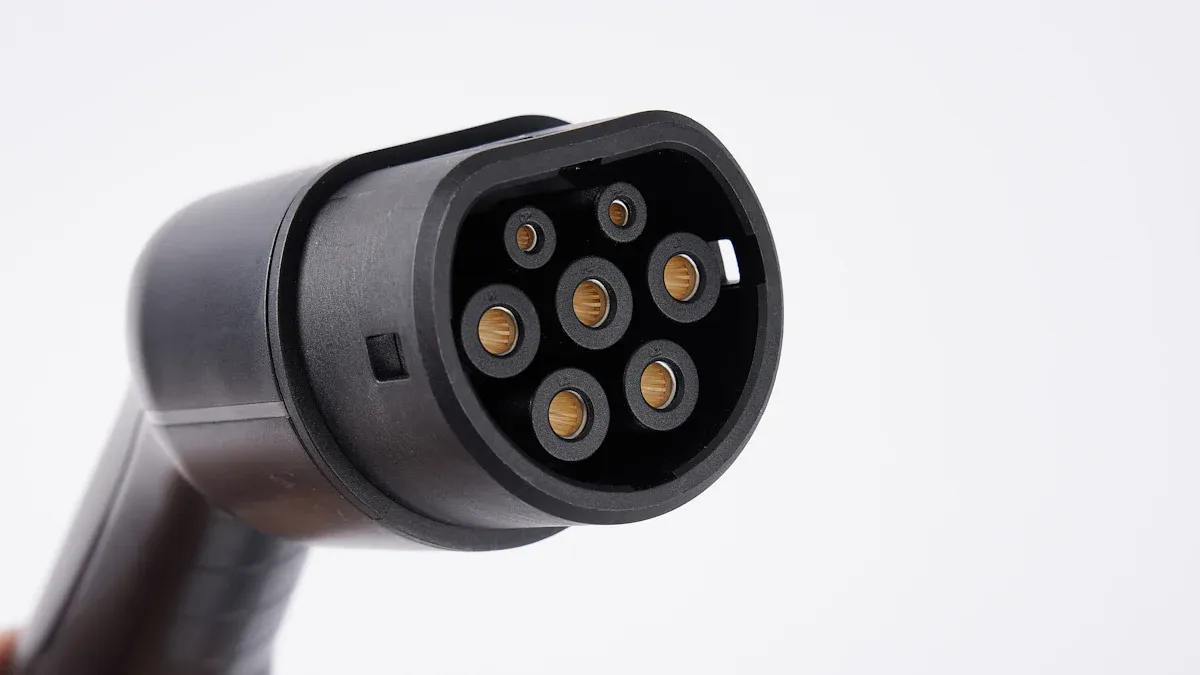
    You rely on the right Hybrid Electric Vehicle Cable to optimize your vehicle’s power delivery, safety, and efficiency. Cable specifications play a direct role in how your hybrid electric vehicle performs every day. The type, size, material, and insulation of each hybrid electric vehicle cable affect energy loss, heat management, and long-term durability. You can see how heat resistance, weight, and electromagnetic interference shape the efficiency and safety of every hybrid electric vehicle cable. The insulation material in a hybrid electric vehicle cable determines its temperature rating, which protects your vehicle from overheating and ensures reliability. When you choose a hybrid electric vehicle cable, you also impact the overall weight, which influences range and efficiency. The right hybrid electric vehicle cable withstands operational heat and maintains performance over time.   Hybrid Electric Vehicle Cable Types   You encounter several cable types in hybrid electric vehicles, each designed for a specific role. These cables ensure your vehicle operates safely and efficiently, even under demanding conditions. EV Battery Cables: You use these to transmit power between the battery pack and the electric systems. They handle high electrical currents and voltages, often reaching hundreds or even over 1,000 volts. EV Charging Cables: These connect your vehicle to external electrical sources. You rely on them for both home and public charging, with variations like Type 1 and Type 2 for different charging stations. Signal Cables: These manage communication between electronic control units, sensors, and actuators. You depend on them for accurate data transmission and system coordination. Hybrid Cables: These integrate multiple functionalities, such as power and signal transmission, into a single cable assembly. You benefit from reduced weight and simplified installation.   Power Cables   Power cables form the backbone of your hybrid electric vehicle’s electrical system. You find them in two main categories:   High Voltage   High voltage power cables deliver energy from the battery to the electric motor and other high-power components. You often see three large-diameter wires used for motor power, ensuring efficient energy transfer and minimizing losses. These cables must withstand high temperatures and mechanical stress during operation.   Low Voltage   Low voltage power cables supply energy to auxiliary systems, such as lighting, infotainment, and control modules. You need these cables to maintain stable performance and protect sensitive electronics from voltage fluctuations.   Signal Cables   Signal cables play a critical role in your vehicle’s communication network. They transmit control signals, sensor data, and feedback between various modules. You rely on their shielding to prevent electromagnetic interference, which ensures accurate and reliable operation of safety and performance systems.   Vibration-Proof Heat Resistant Cable   You face harsh environments in hybrid electric vehicles, including constant vibration and elevated temperatures. The Vibration-proof Heat Resistant Cable addresses these challenges by combining flexibility, durability, and superior heat resistance. You can use these cables in areas exposed to engine heat or frequent movement, which helps maintain stable charging and power delivery. Their robust construction reduces the risk of insulation failure and extends the service life of your vehicle’s wiring system. Tip: When selecting cable types for your hybrid electric vehicle, always consider the specific requirements of each application. Proper cable selection enhances charging efficiency, safety, and long-term reliability.   Electric Vehicle Charging Cables   You interact with several types of charging cables every time you connect your hybrid or electric vehicle to a charging station. Understanding the differences between these cables helps you make informed decisions about charging infrastructure and ensures your vehicle charges safely and efficiently.   Type 1 and Type 2 Cables   You often encounter Type 1 and Type 2 cables at public charging stations and home charging points. Type 1 cables use a single-phase connection, which suits many hybrid electric vehicles in North America and Japan. Type 2 cables, on the other hand, support both single-phase and three-phase charging. You find Type 2 cables as the standard across Europe, making them compatible with almost all electric vehicles and hybrid models. Type 2 cables offer flexible charging speeds, ranging from 3.7 kW up to 22 kW, which allows you to select the right charging point for your needs. The combined charging system and chademo connector also play a role in fast charging, but Type 2 remains the most widely adopted for everyday use. Here is a comparison to help you understand the differences: Feature Type 2 Chargers Type 3 Chargers Compatibility Widely compatible with almost all EVs due to the standard Type 2 socket. Limited compatibility; only a few EV models are equipped with Type 3 sockets. Charging Speed Offers power options from 3.7 kW to 22 kW, suitable for various charging needs. Capable of delivering up to 22 kW, comparable to Type 2 chargers. Adoption Standard in Europe and widely used at commercial charging stations. Limited adoption, mainly in French-speaking countries. Communication Protocol Uses IEC 61851-1 Mode 2 or Mode 3 protocol, enabling advanced features like monitoring and remote control. Uses IEC 61851-1 Mode 3 protocol, less supported by EV manufacturers. You see that Type 2 cables dominate the market due to their compatibility and charging speed. You also notice that the sae j1772 connector is common in North America, while the combined charging system and chademo connector support dc fast charging at many charging stations.   Mode 3 Charging Cables   You use Mode 3 charging cables at dedicated charging stations and charging points. These cables connect your vehicle directly to the charging infrastructure, providing advanced safety features and communication protocols. Mode 3 supports both tethered cables and untethered cables, giving you flexibility at public and private charging points. Tethered cables remain attached to the charging station, while untethered cables allow you to carry your own cable and connect to different charging stations. You benefit from Mode 3’s ability to handle dc fast charging, which reduces charging time and increases convenience.   Cable Structure and Insulation   You rely on electric vehicle charging cables with robust structure and insulation to ensure safety and performance. The insulation provides electrical isolation, which prevents shocks during charging. It also offers mechanical protection, shielding the cable from physical damage and environmental factors like UV light and moisture. High-temperature resistance materials, such as 125℃ irradiation cross-linked insulation, maintain cable integrity under the heat generated by dc fast charging. These materials also resist aging and mechanical wear, extending the lifespan of your charging cables. High-temperature resistance keeps your cables safe during dc fast charging. Aging resistance protects against UV rays and moisture at outdoor charging stations. Mechanical durability ensures reliable performance at every charging point. You can enhance your charging experience by choosing electric vehicle charging cables with advanced insulation and multi-layer design. For applications requiring even higher temperature resistance, you may consider 150°C and 200°C Fluoroelastomer wire, which delivers exceptional durability and safety for demanding charging environments.   Conductor Material   You make a critical choice when selecting the conductor material for your hybrid electric vehicle cables. The conductor determines how efficiently electricity flows, how much heat the cable generates, and how much weight your vehicle carries. Two main options dominate the industry: copper and aluminum.   Copper vs Aluminum   Conductivity   You want your cables to deliver power with minimal loss. Copper stands out for its superior electrical conductivity. Aluminum, while lighter, does not match copper’s ability to carry current as efficiently. The table below compares the two materials: Property Copper (Cu) Aluminum (Al) Conductivity (IACS) 100% ~61% Resistivity (Ω·mm²/m) 0.0172 0.0282 You see that copper offers the highest conductivity, which means less energy loss and lower heat generation. Aluminum’s higher resistivity means you need a larger cross-sectional area to achieve the same performance as copper. This difference impacts both efficiency and cable design.   Weight   You also need to consider the weight of your vehicle’s wiring. Aluminum provides a significant advantage here: Aluminum weighs about one-third as much as copper, which helps reduce the overall weight of your vehicle. Lighter wiring can improve your vehicle’s range and efficiency because less energy is required to move the vehicle. Many engineers use aluminum for busbars and certain wiring components, achieving up to 50% weight savings compared to copper. You benefit from these weight reductions, especially in hybrid electric vehicles where every kilogram counts.   Material Purity   Imagine two roads: one smooth and freshly paved, and another filled with small rocks and debris. A car can travel on both, but the smooth road allows for faster, more consistent movement. Electricity behaves the same way in conductors. High-purity materials provide a clear path for electrons, while impurities act like obstacles, increasing resistance and wasting energy. You should always look for high-purity conductor materials in your hybrid electric vehicle cables. Purity directly affects resistance. Impurities disrupt the flow of electrons, causing more heat and energy loss. Over time, this extra heat stresses the insulation, which can lead to premature wear or even electrical faults. Impurities also accelerate corrosion and fatigue, reducing the long-term reliability of your cables. Manufacturers measure purity using industry standards such as conductivity tests and chemical analysis. For example, copper conductors often come in purities like 99.90%, 99.95%, or even 99.999%. Even small differences in purity can lead to noticeable changes in conductivity, heat generation, and cable lifespan. You ensure the best performance and durability by choosing cables with the highest available purity.   Cable Size   You make critical decisions about cable size when designing or maintaining a hybrid electric vehicle. The right cable size ensures safe, efficient charging and reliable power delivery. You must consider several factors, such as conductor standards, voltage range, and the environment where the cable operates. When you select a cable for charging, you look at the working voltage, current, and temperature rise. You also compare the peak current and duration with the cable’s performance curve. This process helps you match the cable size to the demands of your charging system.   Current Capacity   You need to match the cable’s current-carrying capacity to the charging requirements of your vehicle. If you choose a cable that is too small, you risk overheating and energy loss during charging. If you select a cable that is too large, you add unnecessary weight and cost. You follow industry standards like LV216-1/2 and ISO19642 to guide your choices. These standards help you verify the working voltage, usually below 1000V DC, and select the right diameter for your charging cables.   Energy Loss   You want to minimize energy loss during charging. When you use a cable with the correct size, you reduce resistance and keep energy loss low. If the cable is too thin, resistance increases, and you lose more energy as heat. This loss affects the efficiency of your charging process and can shorten the lifespan of your vehicle’s electrical system. You always check the effective working current and ensure the cable can handle the peak current during charging.   Heat Generation   You must control heat generation in your charging cables. Excessive heat can damage insulation and reduce cable life. You select cable sizes based on temperature rise and current-carrying capacity. You also ensure that the fuse blows before the cable reaches its smoke point. This approach protects your vehicle during high-current charging events. You rely on cables with advanced insulation, such as those found in Vibration-proof Heat Resistant Cable, to withstand the heat produced during fast charging. Tip: Always monitor the temperature of your charging cables during operation. Consistent overheating signals the need for a larger cable size or improved insulation.   Impact on Vehicle Weight   You balance cable size with vehicle weight to optimize charging efficiency and performance. When you use higher voltage systems, such as 48V, you can select smaller cables for charging. These cables weigh less and use less copper than traditional 12V wires. For example: 48V charging wires have about 10% of the diameter and weight of 12V wires. Smaller charging cables reduce the overall weight of your vehicle. Lower weight improves thermal efficiency and enhances vehicle performance during charging. You see that every kilogram saved in cable weight can extend your vehicle’s range and improve charging speed. You also reduce material costs and make your vehicle more efficient. When you choose the right cable size for charging, you achieve a balance between safety, performance, and weight. You can further enhance your charging system by selecting cables with high-temperature insulation, such as 150°C and 200°C Fluoroelastomer wire. These cables maintain performance even during intense charging sessions and demanding environments.   Insulation and Heat Resistance   You depend on advanced insulation and heat resistance to ensure your hybrid electric vehicle cables perform reliably under demanding conditions. Insulation materials protect against electrical faults, mechanical damage, and environmental hazards. High-performance insulation also maintains cable integrity when exposed to elevated temperatures and vibration.   Fluoroelastomer Wire   High Temperature Performance   You encounter extreme heat in hybrid electric vehicle powertrains, especially near engines and battery packs. Insulation materials with higher temperature ratings deliver superior durability and safety. The table below compares common insulation materials used in hybrid electric vehicle cables: Property PVC TPU Irradiation Cross-Linked Max Operating Temp ~70℃ ~90℃ 125℃ continuous UV Resistance Low Medium High Flexibility at Cold Poor Good Excellent Mechanical Strength Low Medium High Environmental Compliance Halogenated Variable Halogen-Free Cost Low Medium Higher (but long-lasting) Insulation materials rated for 125°C or higher, such as irradiation cross-linked compounds, resist degradation and maintain structural integrity under high current loads. Lower-rated materials like PVC can soften and lose strength at elevated temperatures, increasing fire risk and reducing cable lifespan. You achieve even greater heat resistance with fluoroelastomer wire. AFLAS fluoroelastomers withstand temperatures up to 200°C, making them ideal for hybrid electric vehicle applications. FEPM fluoroelastomers also deliver long-term durability in high-temperature environments. These materials ensure reliability where thermal stress is constant. AFLAS fluoroelastomers operate reliably at temperatures up to 200°C. FEPM fluoroelastomers provide lasting performance in high-heat zones. Fluoroelastomer insulation remains nonflammable, supporting safety in electric and hybrid vehicles.   Durability   You require cables that last through years of operation. Fluoroelastomer wires resist chemical exposure, mechanical abrasion, and thermal cycling. Their nonflammable nature protects your vehicle from fire hazards. You benefit from their ability to maintain flexibility and insulation integrity, even after repeated heating and cooling cycles. Choose fluoroelastomer wire for critical areas where heat and durability matter most. You secure long-term reliability and reduce maintenance needs.   Vibration-Proof Features   You face constant vibration in hybrid electric vehicles, especially near motors and suspension systems. Vibration-proof features protect cable integrity and prevent insulation failure. Hoonsun seals provide effective vibration damping and exceptional resistance to high temperatures. These seals offer excellent cable management and structural protection, which are essential for maintaining performance under vibration. Secondary locking features enhance vibration resistance. Sealing gaskets deliver environmental protection (IP67+), ensuring durability. Shielded, compact connectors maintain signal integrity during high-vibration operation. Flexible cable materials like silicone and advanced TPE blends withstand frequent movement and vibration. Spiral and recoilable cable designs offer shape memory and elastic recovery, further improving vibration resistance. You maintain cable integrity by selecting cables with robust vibration-proof features. These designs ensure stable performance and reduce the risk of electrical faults. For the most demanding environments, you can rely on 150°C and 200°C Fluoroelastomer wire to deliver unmatched heat resistance and durability. This choice supports optimal performance and safety in hybrid electric vehicles.   EV Charging Connectors   You interact with ev charging connectors every time you charge your hybrid electric vehicle. These connectors serve as the critical link between your vehicle and the charging station. The right connectors ensure that energy flows safely and efficiently, supporting the overall performance of your vehicle. When you select a Hybrid Electric Vehicle Cable, you also need to consider the compatibility and quality of the connectors attached to it.   Connector Quality   The quality of ev charging connectors directly affects the reliability and safety of your charging system. High-quality connectors provide a secure and stable connection, which is essential for efficient energy transfer.   Secure Connections   You depend on connectors to create a solid link between the charging cable and your vehicle. The control module checks the connectors before charging begins. If the connectors do not latch properly, the system will disable the connection to prevent risks such as arcing or overheating. This process protects you and your vehicle from dangerous situations. Reliable connectors also help maintain a consistent flow of electricity, reducing the chance of interruptions during charging. Connectors play a crucial role in the charging process by ensuring proper attachment. The system checks connectors for readiness before allowing energy transfer. If a latch slips or a connector fails, the system stops charging to prevent hazards.   Maintenance   You need to maintain your ev charging connectors to ensure long-term performance. Regular inspection helps you spot signs of wear, corrosion, or damage. Clean connectors allow for better contact and reduce resistance, which improves charging efficiency. If you notice any issues, replace the connectors promptly to avoid safety risks. Using a Vibration-proof Heat Resistant Cable can also help, as these cables and their connectors withstand harsh environments and frequent use. Inspect connectors for physical damage or corrosion. Clean connectors regularly to maintain optimal contact. Replace worn or damaged connectors to ensure safety.   Impact on Performance   The performance of your hybrid electric vehicle depends on the quality and condition of the ev charging connectors. These connectors form part of the Electric Vehicle Supply Equipment (EVSE), which includes cables and protective devices. EVSE ensures standardized and safe energy transfer between the power source and your vehicle. Rigorous testing and compliance with industry standards guarantee that connectors deliver reliable performance. When you use high-quality connectors, you experience faster charging times and fewer interruptions. Poor-quality connectors can cause energy loss, overheating, or even system failure. You should always choose connectors that meet strict safety and durability standards. For demanding environments, consider using 150°C and 200°C Fluoroelastomer wire with compatible connectors to achieve the best results. Tip: Always match your connectors to your vehicle’s requirements and charging environment. This practice ensures optimal performance and extends the lifespan of your charging system.   Performance Concerns   Energy Efficiency   You strive for maximum energy efficiency in every hybrid electric vehicle. Cable specifications play a crucial role in how efficiently your vehicle transfers power during charging and operation. When you select cables with high conductivity and optimal size, you minimize energy loss. Copper conductors deliver superior performance, but you must balance weight and flexibility. Aluminum offers lighter alternatives, yet requires larger diameters to match copper’s efficiency. You also need to consider insulation materials. Advanced insulation reduces resistance and prevents unnecessary heat buildup. When you use cables with high-purity conductors and robust insulation, you ensure that more energy reaches the motor and battery, rather than dissipating as heat. This approach improves your vehicle’s range and reduces charging time. Tip: Always match cable specifications to your vehicle’s charging requirements. Proper selection enhances energy efficiency and supports faster charging cycles.   Heat Management   You face significant heat management challenges when operating hybrid electric vehicles. Cable selection directly impacts how well your vehicle handles thermal stress during charging and high-power operation. Common challenges include: Managing heat exposure in cables near battery packs and motors Selecting appropriate insulation materials for high-temperature zones Ensuring flexibility and durability under continuous thermal stress You must choose insulation materials rated for the expected temperature range. Here is a comparison of common insulation types and their temperature ratings: Insulation Material Max Operating Temperature PVC 90° to 105°C Thermoplastic Polyurethane (TPU) Up to 125°C Cross-linked Polyethylene (XLPE) Up to 125°C Irradiation XLPE Up to 150°C Silicone & Cross-linked Fluoroelastomers (XLFEs) Up to 200°C You rely on advanced insulation materials to improve heat management. Ceramic fiber holds a significant share of the electric vehicle insulation market due to its exceptional heat resistance and fire protection. Silicone rubber offers flexibility and strong thermal resistance, supporting long service life and enhancing safety in high-voltage environments. Thermal interface materials improve thermal conductivity, preventing overheating in battery packs and power electronics. When you select cables with high-temperature insulation, such as 150°C and 200°C Fluoroelastomer wire, you protect your vehicle from thermal events and ensure reliable charging performance. These materials withstand extreme heat and maintain structural integrity, supporting critical safety features. Note: Effective heat management extends cable lifespan and reduces maintenance needs. Always verify insulation ratings before installing cables in high-temperature areas.   Durability   You demand durability from every cable in your hybrid electric vehicle. Environmental factors such as temperature, vibration, humidity, and mechanical stress challenge cable longevity. Industry standards, including ISO 16750-3 and ISO 16750-4, address mechanical and climatic loads. These standards require cables to withstand vibration, mechanical shock, humidity, dust, corrosion, and ice. You encounter combined humidity and vibration tests that simulate real-world conditions. Temperature testing ranges from -45°C to 50°C, with higher thresholds for cables near engines or exposed to sunlight. Environmental tests verify cable effectiveness and safety at both vehicle and subsystem levels. You achieve greater durability by selecting cables with robust insulation and vibration-proof features. Flexible materials, such as silicone and fluoroelastomers, maintain performance under repeated movement and thermal cycling. When you use cables like Vibration-proof Heat Resistant Cable, you ensure stable charging and protect against insulation failure. Tip: Choose cables tested for vibration and climatic loads. This practice guarantees long-term durability and supports essential safety features in hybrid electric vehicles.   Safety   You must prioritize safety when selecting cables for hybrid electric vehicles. The right Hybrid Electric Vehicle Cable protects you from electrical hazards and ensures your vehicle operates reliably in all conditions. Industry standards require cables to pass rigorous tests before they reach your vehicle. These tests confirm that each cable can withstand the harsh environments and high voltages found in modern hybrid systems. Testing Category Purpose Thermal Aging Tests Evaluate material performance after prolonged heat exposure (e.g., 125°C for 3,000+ hours). Dielectric Breakdown & Insulation Resistance Tests Measure resistance to electrical breakdown at high voltages (1,000V to 5,000V). Flame Propagation Tests Ensure materials do not contribute to fire spread or emit toxic smoke (IEC 60332-1, UL 94). Cold Flexibility and Abrasion Tests Assess durability in winter conditions and during vibrations. Chemical Resistance Testing Simulate exposure to various automotive fluids. Water Spray and Condensation Tests Critical for cables routed underfloor or near HVAC systems. You depend on these tests to guarantee that your vehicle’s wiring will not fail under stress. For example, flame propagation tests ensure that cables do not spread fire or release harmful smoke. Dielectric breakdown and insulation resistance tests confirm that cables can handle high voltages without shorting or leaking current. Cold flexibility and abrasion tests check that cables remain durable during winter driving and constant vibration. Automotive engineers also use advanced systems to monitor cable integrity. The High Voltage Interlock Loop (HVIL) checks the condition of high-voltage modules, cables, and connectors. This system powers down the high-voltage circuit if it detects a fault. HVIL prevents electric shock by ensuring that voltage levels are safe before you or a technician can touch any components. You benefit from this automatic protection every time you drive or service your vehicle. HVIL monitors the entire high-voltage system for faults. It disconnects power instantly if a problem appears. You avoid electric shock because HVIL ensures safe voltage levels before contact. You should also consider the cable’s ability to resist fire, chemicals, and water. Hybrid vehicles often operate in challenging environments, such as wet roads or near engine compartments. A Vibration-proof Heat Resistant Cable provides extra protection against heat, vibration, and moisture. This type of cable maintains its structure and insulation even when exposed to harsh conditions, reducing the risk of short circuits or fire. When you select cables with high-quality insulation, you further improve safety. Materials like 150°C and 200°C Fluoroelastomer wire offer outstanding resistance to heat and chemicals. These wires do not burn easily and do not emit toxic smoke, which helps protect you and your passengers in the event of a fire. You can trust these advanced materials to keep your vehicle’s electrical system secure and reliable. Tip: Always choose cables that meet or exceed industry safety standards. This decision protects you, your vehicle, and everyone on the road.   You drive performance, safety, and reliability by selecting the right cable specifications for hybrid electric vehicles. You optimize charging efficiency with advanced conductor materials and precise cable sizing. You improve charging safety by using insulation that withstands heat and vibration. You benefit from innovations like thermally conductive insulation, nanomaterial-enhanced conductors, and smart cables that monitor charging conditions. You rely on co-extrusion techniques for compact cable designs and enhanced charging durability. You achieve optimal charging operation by prioritizing cable quality in every charging system. You secure long-term charging reliability with 150°C and 200°C Fluoroelastomer wire.       FAQ What makes a Hybrid Electric Vehicle Cable different from standard automotive cables? You use a Hybrid Electric Vehicle Cable because it handles higher voltages and currents. This cable supports efficient charging, resists heat, and ensures safety. Standard automotive cables cannot meet the demands of hybrid systems or advanced charging requirements. How do I choose the right cable for fast charging? You select cables rated for your vehicle’s maximum charging current and voltage. Look for robust insulation and heat resistance. Fast charging generates more heat, so you need cables that maintain performance and safety during rapid charging cycles. Why is insulation important for charging cables? Insulation protects you from electric shock and prevents short circuits during charging. It also shields the cable from heat and environmental damage. High-quality insulation ensures your charging system remains safe and reliable, even under heavy use. Can vibration affect charging cable performance? Yes, vibration can cause wear and insulation failure over time. You reduce this risk by using a Vibration-proof Heat Resistant Cable. This cable maintains stable charging performance, even in areas exposed to constant movement or engine vibration. What temperature rating should I look for in charging cables? You should choose cables with a temperature rating that matches your vehicle’s charging environment. For demanding applications, 150°C or 200°C ratings offer superior protection. 150°C and 200°C Fluoroelastomer wire ensures your charging cables withstand extreme heat. How often should I inspect my charging cables? You should inspect your charging cables regularly for signs of wear, damage, or corrosion. Frequent checks help you catch problems early and maintain safe charging. Replace cables immediately if you notice any defects. Do cable connectors impact charging efficiency? Yes, connectors play a key role in charging. Secure, high-quality connectors ensure stable current flow and reduce energy loss. Poor connectors can cause overheating or interruptions during charging, so always use connectors that match your cable and vehicle requirements. Are there standards for charging cable safety? You benefit from industry standards that set requirements for charging cable safety. These standards cover insulation, heat resistance, and durability. Following them ensures your charging cables deliver reliable performance and protect you during every charging session.
    CZYTAJ WIĘCEJ
  • What Are The Key Cable Types For Electronic Products And Their Practical Applications?
    What Are The Key Cable Types For Electronic Products And Their Practical Applications?
    Jun 09, 2026
      You often work with electronic devices that require different c ables for power, charging, and data transfer. The most Useful Cables include: USB-C to USB-A Cable – Connects modern devices to older computers or chargers. Multi-Charging Cable – Supports USB-C, Lightning, and Micro USB for versatile charging. HDMI Cable – Delivers high-quality audio and video between devices. Micro USB Cable – Powers and syncs many small electronics. USB-C to HDMI or DisplayPort Cable – Links devices to external displays. Lightning Cable – Charges and syncs Apple devices. Knowing the most useful cables helps you pick the right cable for your specific device and application. Key Takeaways Choose cables based on device compatibility and performance needs. Use shielded cables to minimize interference in high-EMI environments. Select fiber optic cables for high-speed and long-distance data transfer. Most Useful Cables for Electronics Essential Cable Types Overview You interact with many cable types when working with electronic products. Industry experts highlight these as the most useful: Power cord: Delivers electricity to computers, monitors, and appliances. HDMI cable: Transfers high-definition video and audio for multimedia devices. USB cable: Connects and powers smartphones, tablets, and laptops. Audio cable: Sends sound signals to headphones, speakers, and sound systems. Charging cable: Powers portable electronics and wearables. The table below shows the main uses for each essential cable type: Cable Type Main Uses Power Cord Computers, monitors, printers, household appliances, portable electronics HDMI Cable TVs, projectors, gaming consoles, home theater systems USB Cable Smartphones, tablets, laptops, external hard drives, printers Audio Cable Headphones, speakers, professional sound systems, home theater setups Telephone Cable Landline phones, DSL internet, intercom systems Charging Cable Smartphones, tablets, laptops, wearable devices Choosing the Right Cable You need to consider several factors when choosing the right cable for your device. Start by checking protocol support and speed ratings. Look for clear labels such as “USB 3.2 Gen 2” or “HDMI 2.0” to match your performance needs. Pay attention to cable length, as longer cables can reduce signal quality. Select cables with strong build quality and strain relief to prevent damage. Certification and compatibility matter for safety and reliability. Environmental conditions, such as heat or interference, also affect your choice. In high-temperature sensing or control applications, a High Temperature Sensor Cable can help maintain stable performance. For network connections, always use cables that meet the latest standards to ensure stable performance. By focusing on these criteria, you make choosing the right cable simple and effective for any application. Power Cable Types Standard Power Cables You encounter standard power cables every day when you use computers, monitors, and office equipment. The IEC C13/C14 cable is one of the most common choices for these devices. The C13 connector plugs into your device, while the C14 connects to the power source. This cable supports up to 10 Amps and 240V, making it safe for a wide range of electronics. Detachable power cords, also called line cords, offer flexibility because you can easily replace them if damaged. Always check the voltage and amp ratings, connector type, and certifications before selecting a cable for your device. Testing and validation are critical to ensure cable assemblies meet performance requirements. Electrical tests like continuity and insulation resistance confirm operational integrity, while mechanical tests verify durability under physical stress. Environmental tests assess performance in challenging conditions, ensuring reliability in various applications. The National Fire Protection Association (NFPA) maintains standards that impact cable selection, particularly regarding fire safety. NFPA 70 sets baseline requirements for flame resistance, while NFPA 262 evaluates flame propagation height. Fire alarm cables must comply with NFPA 72 to ensure functionality during a fire. Specialized standards like NFPA 79 for industrial machinery and NFPA 99 for healthcare facilities dictate specific cable requirements relevant to their applications. UL certifications ensure safety benchmarks like fire resistance and insulation performance. RoHS compliance ensures no hazardous materials are used in cable designs. Specialty Power Cables For demanding environments, you need specialty power cables that deliver advanced performance. The ARX-9 FRW Cable and High Tensile Flexible NBR EPDM Rubber Cable stand out for their durability and resistance to harsh conditions. The table below highlights their key characteristics: Characteristic ARX-9 FRW Cable High Tensile Flexible NBR EPDM Rubber Cable Temperature Range -40 to 200°C Suitable for wet and dry environments Short Circuit Overload Up to +300°C Not specified Current Carrying Capacity High Not specified Resistance High resistance to thermal pressure, chemicals, hydrolysis, and weathering Not specified Flame Retardant Yes (UL VW-1, FT4, FT6) Not specified Flexibility Flexible minimum outer diameter Not specified Applications Motor winding, pump cables, marine and industrial applications General use in wet and dry environments You can also choose the CITCABLE Flexible Fluoropolymer Cable for projects that require exceptional weather, heat, and chemical resistance. This cable performs reliably in automotive, marine, and industrial machinery, even in extreme conditions. When you select a specialty cable, always match its features to your application for maximum safety and performance. Data and Network Cables Ethernet and Network Cables You rely on ethernet cables to build a stable and fast network for your devices. These cables connect computers, routers, switches, and servers, forming the backbone of most wired networks. You find several categories, such as Cat5e, Cat6, Cat6a, Cat7, and Cat8, each offering different speeds and shielding levels. Ethernet cables support high-speed data transfer, reduce interference, and ensure reliable communication for home and office internet, gaming consoles, and smart TVs. Tip: Choose a cable category that matches your speed requirements and device compatibility. Here is a comparison of popular ethernet cable types: Cable Type Max Data Transmission Max Bandwidth (MHz) Max Distance Cat5e 1 Gbps 100 MHz 100m Cat6 10 Gbps (up to 55m) 250 MHz 100m (1 Gbps) Cat6a 10 Gbps 500 MHz 100m Cat7 10 Gbps 600 MHz 100m Cat7a 40 Gbps (limited distance) 1,000 MHz 30m Cat8 40 Gbps 2,000 MHz 30m You use network cables for structured connectivity in IT infrastructure, data centers, and video conferencing. Fiber optic cables also play a role in high-speed data transmission, especially for long distances and environments with electromagnetic interference. USB Cable Types You encounter several USB cable types when connecting peripherals and charging devices. Each type serves a specific purpose: USB Type-A: Standard connector for PCs and laptops. USB Type-B: Used for printers and some external drives. USB Mini-B: Found in older cameras and early smartphones. USB Micro-B: Common in Android phones and portable electronics. USB Type-C: Modern, reversible connector for fast data and power delivery. The table below summarizes the main differences between USB versions: USB Version Speed/Transfer Rate Power Max Cable Length USB 1.1 12 Mbit/s N/A 3 Meters USB 2.0 480 Mbit/s 5V, 1.8A 5 Meters USB 3.0 5 Gbit/s 5V, 1.8A 3 Meters USB 3.1 10 Gbit/s 20V, 5A 3 Meters USB 4.0 40 Gbit/s 100W N/A You benefit from USB Type-C’s versatility, which supports both high-speed data transfer and power delivery for modern devices. Audio and Video Cable Types HDMI and DisplayPort Cables You often use hdmi cables and dvi cables to connect your devices for high-quality video and audio. Hdmi cables work with TVs, monitors, projectors, gaming consoles, and home theater systems. DisplayPort cables provide another option, especially for professional and gaming setups. Both hdmi and DisplayPort support high resolutions and refresh rates, but their features differ. The table below compares the main specifications of hdmi and DisplayPort cables: Specification HDMI 2.0 HDMI 2.1 DisplayPort 1.4 DisplayPort 2.0 Bandwidth 18 Gbps 48 Gbps 32.4 Gbps 77.37 Gbps Resolution 4K at 60Hz 4K at 120Hz, 8K at 60Hz 4K at 120Hz, 8K at 60Hz 8K at 120Hz, 16K at 60Hz Multi-Monitor Limited Limited Supports MST Supports MST VRR Support Yes Yes Yes Yes G-SYNC Support No No Yes Yes Hdmi cables are more common in consumer electronics, while DisplayPort excels in multi-monitor setups. Dvi and dvi cables still appear in older monitors and projectors, but hdmi cables offer broader compatibility and advanced features. Audio Cables You rely on audio cables to connect headphones, speakers, and sound systems. The most common types include 3.5mm, RCA, and XLR cables. Each cable type serves a unique purpose in audio setups. Cable Type Key Features Applications 3.5mm Versatile, widely used, compatible with various devices Headphone connection, auxiliary input, gaming headsets, home theater systems RCA Two connectors (red and white), bridges different audio devices Connecting DACs to amps, DJ equipment, older audio gear XLR Locking mechanism, rubber insulation, clear signal transmission Microphones, PA systems, stage speakers, DMX lights You should choose the right cable based on your device and sound quality needs. Hdmi cables can also transmit audio, making them a flexible choice for home theaters. Coaxial Cable Types TV and Internet Applications You rely on coaxial cables for many home and business electronic setups. These cables play a vital role in delivering television and internet services. Most TV and internet installations use coaxial cables with a 75-ohm impedance. RG-6 and RG-59 are the most common types for transmitting audio and video signals. RG-6 stands out for high-definition and ultra-high-definition content because it offers lower signal loss over longer distances. Tip: Choose RG-6 for modern TV and internet connections to ensure the best signal quality. You will find coaxial cables in several applications: Cable television connections Broadband internet service from your provider CCTV surveillance systems Satellite and antenna installations The table below highlights the main types of coaxial cables and their uses: Cable Type Impedance Application RG-6 75 Ohm Cable TV, Satellite, Internet Modem RG-11 75 Ohm Long-distance video, CATV systems RG-8 50 Ohm Amateur radio, Ethernet Coaxial cables use multiple shielding layers to block electromagnetic interference. This design keeps your signal strong and reliable, even in environments with electrical noise. The durable construction resists physical damage and environmental wear, so you can count on long-term stability. You also benefit from the ability to support TV, internet, and phone services with a single cable, which simplifies your wiring setup. Fiber Optic Cable Applications High-Speed Data Transmission You rely on fiber to achieve rapid and reliable data transfer in modern electronic systems. Fiber optic cables use light pulses instead of electrical signals, which allows you to move information at speeds up to 800 Gbps. This technology supports greater bandwidth, so you can transfer large files and stream high-definition content without delays. The table below compares fiber and copper cables: Feature Fiber Optic Cables Copper Cables Data Transmission Method Light pulses Electrical signals Speed Up to 800 Gbps Slower speeds Bandwidth Greater bandwidth, more data Limited bandwidth Electromagnetic Interference Immune to interference Susceptible to interference Distance Up to 100 kilometers without signal loss Limited to 100 meters without repeaters Corrosion Non-metallic, no corrosion Prone to corrosion You benefit from fiber’s immunity to electromagnetic interference, which keeps your signal clear even in noisy environments. A single fiber connection can transfer an HD movie in less than a tenth of a second. Copper cables would take much longer and may lose data quality. Industrial and Communication Uses You see fiber used in a wide range of industries and communication systems. Fiber optic cables enable high-speed internet and real-time communications for telecommunications. Data centers depend on fiber to connect servers and storage devices, ensuring fast and reliable access. Cable television providers use fiber to transmit high-definition signals without distortion. Military operations rely on fiber for secure and interference-resistant communication. Medical imaging systems and industrial automation also use fiber to inspect hard-to-reach areas and transmit data safely. Fiber optic cables offer numerous advantages over copper cables, including greater bandwidth and higher speed, as well as immunity to electromagnetic interference. You find fiber in transportation systems, powering real-time data monitoring for traffic control and safety. The medical industry uses fiber for high-resolution imaging techniques like endoscopy and laser surgery. Industrial automation benefits from fiber’s ability to transmit data in environments with high interference, ensuring safety and reliability. Specialty and Industrial Cables Flexible Fluoropolymer Cable Uses You often face harsh conditions in industrial, automotive, or marine environments. In these demanding settings, you need a solution that stands up to extreme temperatures, aggressive chemicals, and constant mechanical stress. The CITCABLE Fluoroelastomer Wire Cable delivers outstanding performance in these scenarios. Its fluoropolymer jacket resists acids, solvents, UV rays, and ozone, so you can rely on it for long-term durability. This cable maintains flexibility and electrical insulation even when exposed to high heat or plasma, making it ideal for motor winding, pump systems, and heavy machinery. You benefit from advanced shielding options, such as braided and foil shields, which protect against electromagnetic interference and maintain signal integrity. Many industries, including offshore energy, transportation, and large-scale construction, depend on specialty cables for power distribution, signaling, and data transfer. You can request a Customized Special Cable to match your specific needs, whether you require a particular bend radius, tensile strength, or insulation rating. Note: Specialty cables often include features like synthetic armoring, corrosion barriers, and fire-resistant jackets to ensure safety and compliance with industry standards. When you choose a flexible fluoropolymer cable, you gain a reliable solution that meets the highest standards for performance and environmental endurance. This approach ensures your equipment operates safely and efficiently, even in the most challenging conditi ons. How to Choose Cable Types Performance and Compatibility You need to match your cable selection to the performance demands of your devices and your networking environment. Always select cables that meet or exceed the requirements outlined in your device’s SMART documentation. Use cables that have been tested for compliance with connection standards to ensure a reliable connection. Choose products from reputable manufacturers to guarantee consistent quality. Keep your cables as short as possible to reduce signal degradation, especially in high-speed network connection setups. Look for cables with end-to-end shielding to minimize electromagnetic interference, which is critical for stable data communication and networking. Flexible and durable cables will support frequent movement and long-term use in internet and data applications. Select cables that match your device’s speed and bandwidth needs. Use shielded cables for environments with high electromagnetic interference. Choose fiber optical cables for high-speed internet and long-distance data transfer. Prioritize flexibility and durability for industrial or mobile networking. Safety Considerations You must consider safety when choosing cables for internet, data, and networking systems. Proper insulation and wire gauge prevent electrical failures. Environmental factors such as temperature, chemical exposure, and mechanical stress affect cable performance. EMI shielding maintains signal integrity in sensitive data communication and fiber optical cables. Select connectors and termination techniques based on durability and application needs. Compliance with industry standards ensures safety and reliable operation. Testing and validation confirm that your cables meet performance and durability requirements for internet and networking. Tip: Always verify that your cables carry the necessary certifications for your region and application. You improve device performance, safety, and reliability when you understand cable types and their uses. Proper cable selection prevents overheating, short circuits, and signal loss. Quality cables with fire-retardant insulation and correct sizing reduce risks. Factor Description Documentation Keep records for future cable selection and verification. Use this guide as your reference for every cable decision. FAQ What is the difference between usb-c and usb-a cables? You use usb-c for modern devices because it supports faster charging and data transfer. Usb-a remains common for older computers and accessories. Both types serve different connection needs. When should you choose a usb-c to usb-c cable or a usb-c to usb-a cable? You select a usb-c to usb-c cable for charging and syncing between two usb-c devices. You pick a usb-c to usb-a cable when connecting a usb-c device to a usb-a port. Can you use usb-c for all your devices? You can use usb-c with most new smartphones, tablets, and laptops. Usb-c offers universal compatibility, but some older devices still require usb-a or other connectors. ```
    CZYTAJ WIĘCEJ
  • What Is Viton (Fluoroelastomer) Cable? Key Benefits and Industrial Uses
    Jun 04, 2026
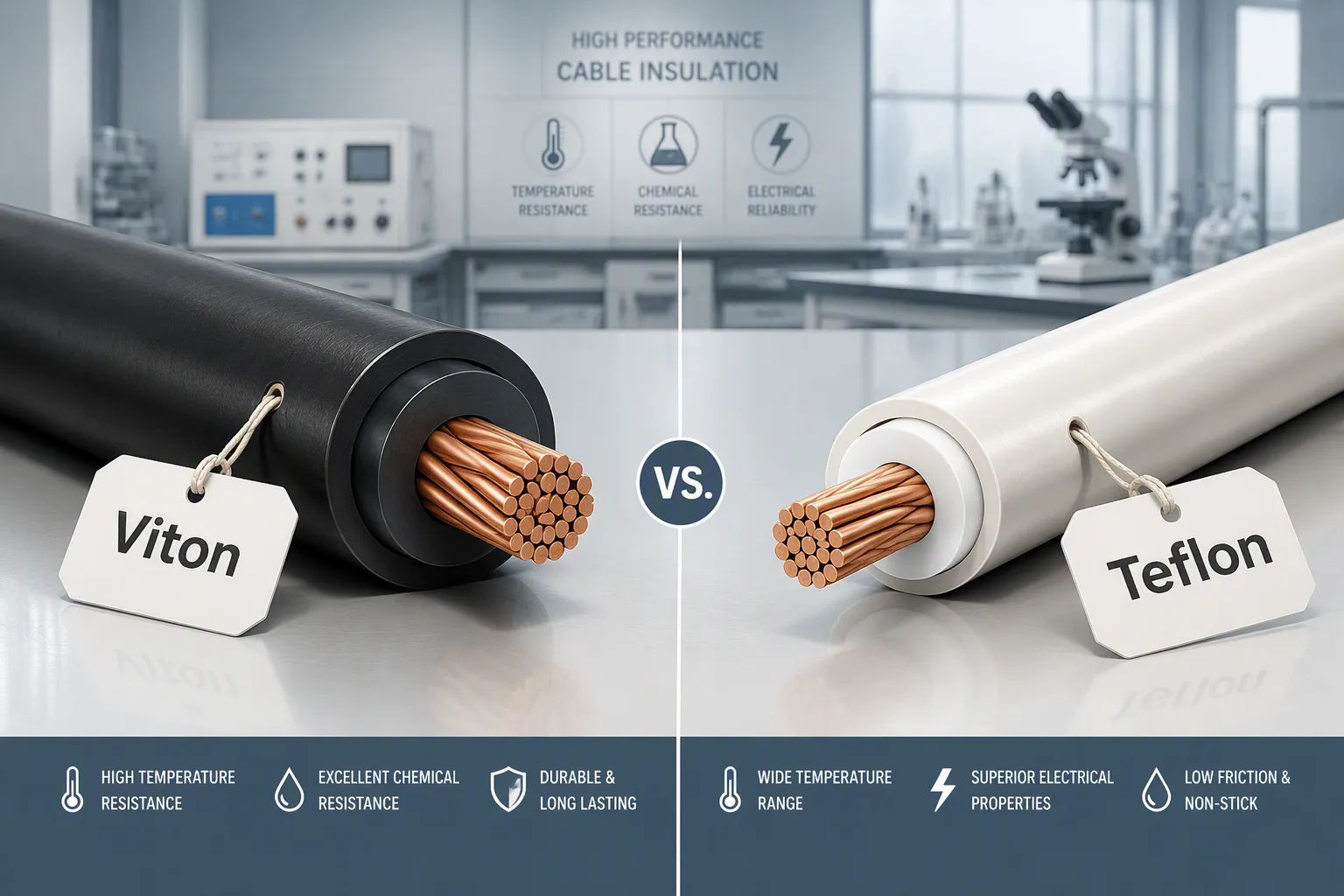
    You use viton cable when you need strong protection. It works well in tough places. Viton o-rings have a fluoroelastomer base. This base gives them special benefits. The fluoroelastomer in viton cable can handle high heat. It also protects against chemical and heat damage. Viton o-rings are different because they resist oils and fuels. They also resist strong solvents. This helps them work well in hard jobs. You find viton o-rings in planes, cars, and chemical plants. Viton cable stays strong in high heat and harsh chemicals. Viton o-rings and viton cable last a long time. The fluoroelastomer keeps them strong in tough spots. Property Description Chemical Resistance Stays safe from oils, fuels, strong solvents, and harsh chemicals. Heat Resistance Works in heat up to 250 °C. Fuel Resistance Great for seals and gaskets near fuels in planes and cars. Application Areas Used in planes, cars, chemical, oil, and electric jobs.   Key Takeaways Viton cable gives strong protection from heat and chemicals. This makes it good for hard environments. - Pick Viton o-rings when you need to seal with oils, fuels, or strong solvents. They help make sure the seal works well. - Viton can handle high heat up to 250°C. It stays strong in very hot places. - People use Viton in oil and gas, airplanes, and chemical factories. It works well for a long time in these jobs. - Always check if Viton fits and works with your needs. This helps the seal work best and stops leaks.   Viton Cable Overview Viton Composition and Structure Viton is a kind of fluoroelastomer. This makes viton o-rings and cables work well. Viton is made from four main monomers. Each monomer helps viton o-rings do better in hard places. The table below shows what each monomer does for viton. Monomer Contribution to Performance Vinylidene Fluoride (VDF) Makes the main chain of the polymer. It helps viton resist chemicals and heat. Hexafluoropropylene (HFP) Makes viton more bendy and helps it stay soft in cold. Tetrafluoroethylene (TFE) Adds more fluorine. This helps viton fight off strong chemicals and high heat. Perfluoro Methyl Ethyl ether (PMVE) Helps viton stay soft and strong in the cold. It stops it from getting hard. Viton cable stays strong in heat, cold, and with chemicals. The fluoroelastomer base keeps viton o-rings bendy and tough. This means viton o-rings last longer in hard jobs.   Differences from Standard Cables Viton cable is not like regular cables. Most regular cables use rubber or plastic. These break down fast with heat, oil, or strong chemicals. Viton o-rings do not break down like this. The fluoroelastomer in viton stops swelling, cracking, and melting. You can use viton o-rings where other cables do not work. Tip: Pick viton cable for hot or chemical places. It keeps you safer and lasts longer. Viton o-rings are used in many jobs. They work in cars, planes, and chemical plants. You can trust viton to protect your tools and keep your work safe.   Viton Cable Resistance and Benefits Chemical Resistance When you work with strong chemicals, you need good protection. Viton o-rings help keep your cables safe. The fluoroelastomer base makes viton special. Viton protects cables and seals from acids and bases. It also protects from strong solvents. Viton o-rings do not swell or break when touching chemicals. This means you can trust them for tough jobs. Viton cable is used in many industries. You see it in oil and gas work. It is also used in cars and planes. Viton handles harsh substances and keeps its shape. You can use viton o-rings in fuel systems and chemical plants. This helps you feel safe when you need strong performance. Note: Viton o-rings keep sealing power even with harsh chemicals. You get long-lasting protection and fewer problems.   Heat and Fuel Resistance Many jobs have high heat and fuel exposure. Viton o-rings help you deal with these problems. Viton cable works at 200 to 250°C. This keeps your systems safe from melting or cracking. Viton gives heat and chemical resistance that others cannot. You see this in fuel injector o-rings and seals. Viton does not swell or break down with fuels or oils. This means you get strong sealing and better results. Viton resists petroleum fuels and mineral oils. It works well in oil and gas, cars, and planes. You find viton o-rings in fuel systems. They keep their shape and sealing power. You can trust viton for high pressure and high heat jobs. This makes it a top choice for tough places.   Durability in Harsh Environments You want strong cables and seals for tough jobs. Viton o-rings give you this strength. They last longer than regular materials. Viton stands up to extreme heat, high pressure, and strong chemicals. You do not see swelling or cracking. Viton cable gives you big advantages in hard places. You can use it outside, in chemical plants, or near engines. Viton lasts longer, so you replace it less often. This saves money and time. Tip: Pick viton o-rings for jobs with high pressure, heat, or strong chemicals. You get reliable sealing and long-lasting results. Viton o-rings and cables give you the best sealing and strength. You can trust them for high performance anywhere.   Industrial Uses of Viton Cable Oil and Gas Applications Viton cable is used in oil and gas jobs because it fights off fuels and chemicals. Viton o-rings stop leaks in equipment. This keeps dangerous fluids and gases from escaping. You need good seals for pipelines, pumps, and valves. Viton works well in high heat and pressure. It keeps its shape and sealing power even with tough chemicals. This means viton lasts longer and you do not need to replace it often. Viton o-rings help stop leaks and keep your systems safe. Oil refineries use viton o-rings in pumps and valves. Gas plants use viton for sealing in hot places. Offshore rigs pick viton cable because it is strong in hard weather. Tip: Pick viton cable for oil and gas jobs when you need it to fight off fuels, oils, and chemicals.   Chemical Processing Uses In chemical plants, safety is very important. Viton cable is helpful because it does not break down from acids, bases, or solvents. Viton o-rings keep sealing even with strong chemicals. This stops dangerous leaks. Viton cable stays strong in high heat and does not fall apart. You have less downtime and fewer leaks, so your plant is safer. Viton makes chemical plants safer and more reliable. It fights off harsh chemicals and high heat, so the cable works well. You lower risks and keep your plant working right. Note: Viton o-rings help keep seals tight and stop leaks in chemical jobs.   Aerospace and Automotive Applications Viton cable is used in planes and cars because it meets tough rules. Viton o-rings seal fuel systems, hydraulic lines, and engines. You need them to fight off special oils and jet fuels. Viton stands up to high heat and keeps its shape. This means it lasts a long time and seals well. Application Area Key Properties Performance Criteria Aerospace Handles high heat, fights chemicals Fights off special oils, jet fuels, keeps its size right Automotive Lasts long, fights chemicals Good for hot car parts, hydraulic systems, and fuel jobs You use viton cable in: Hot car systems Plane hydraulic systems Fuel jobs Viton o-rings stop leaks and keep seals tight in important systems. You trust viton because it is strong and works in high heat. Water-Based and Weather Exposure Environments You need viton cable for wet and outdoor jobs. Viton o-rings fight off water, steam, and weather. The seals last through rain, sun, and changes in temperature. Viton does not swell or crack when it gets wet. You use viton cable in pumps, outdoor electric systems, and boats. The cable keeps sealing and stops leaks. Callout: Viton helps you in outdoor and wet jobs. You get strong, lasting seals for important uses. You count on viton for sealing in many jobs. Viton cable is special because it fights off damage, lasts long, and works well in tough places.   Choosing the Right Viton Cable Environmental Factors You need to think about where you will use viton o-rings and cables. Some places have high temperature and pressure conditions. Others have lots of water, steam, or sunlight. Viton gives you strong resistance to heat, chemicals, and weather. If your job site has high temperatures or strong chemicals, viton o-rings keep sealing power. You can use them outside or in wet places. They do not crack or swell. This means you get an extended lifetime for your equipment. Tip: Always check the temperature and weather at your site before you pick a cable. Viton o-rings work best when you match them to the right environment.   Performance Requirements You want your viton cable to give the best performance. Think about what the cable must do. Some applications need high pressure or high temperature sealing. Others need to stop leaks from strong fuels or oils. Viton o-rings keep sealing even when things get hot or under pressure. They do not lose shape or break down. You get strong sealing for many applications, like engines, pumps, or chemical plants. Use viton o-rings for jobs with high pressure. Pick viton for places with lots of heat or fuel. Trust viton when you need a seal that lasts.   Sizing and Compatibility You must choose the right size for your viton o-rings and cables. The wrong size can cause leaks or weak sealing. Always measure the space where you will install the cable. Make sure the viton cable fits tight for the best seal. You also need to check if the cable works with other system parts. Some substances work well with viton, but others do not. Substance Compatibility Gasoline & Diesel Fuels Excellent Hydraulic Oils Excellent Mineral Oils Excellent Acids (Dilute) Good Acids (Concentrated) Fair Ketones (e.g., Acetone) Poor Esters Poor Water (Hot) Good Steam Fair Alcohols Fair Ozone/UV Excellent Chlorinated Solvents Good Amines Poor Note: Always check the compatibility table before you use viton o-rings with new fluids or chemicals. This helps you avoid problems and keeps your sealing strong. You get the best results when you pick the right viton cable for your job. Good sizing and checking compatibility help you get strong sealing and long-lasting performance.   You can trust viton o-rings for hard work. Viton is special because it does not get hurt by chemicals, heat, or fuels. People use viton o-rings in many places where things must work well. The table below explains why viton is a good pick: Key Point Description Definition Viton is a tough material for hard jobs. Resistance to Chemicals Viton o-rings do not get damaged by acids, fuels, or strong chemicals. Longevity Viton o-rings last a long time in rough spots. High-Temperature Viton o-rings keep their shape when it gets hot. Compatibility Viton o-rings work with oils, fuels, and acids. Viton o-rings give you good results and last a long time. Pick viton if you want something strong and that you can count on.   FAQ What temperatures can Viton cable handle? You can use Viton cable in temperatures from -20°C up to 250°C. It stays flexible and strong in both hot and cold environments. This makes it a good choice for many tough jobs. Is Viton cable safe for outdoor use? Yes, you can trust Viton cable outdoors. It resists sunlight, rain, and ozone. The cable does not crack or swell in changing weather. You get long-lasting performance in outdoor settings. Can you use Viton cable with all chemicals? Note: Viton cable resists most oils, fuels, and acids.You should check compatibility with strong ketones or esters. Some chemicals may cause damage. Always review a compatibility chart before use. How do you choose the right size Viton cable? You need to measure the space where you will install the cable. Pick a size that fits tightly for the best seal. If you choose the wrong size, you may get leaks or weak sealing.
    CZYTAJ WIĘCEJ
  • What Engineers Should Know Before Designing a Customized Special Cable with Kapton Insulation?
    May 26, 2026
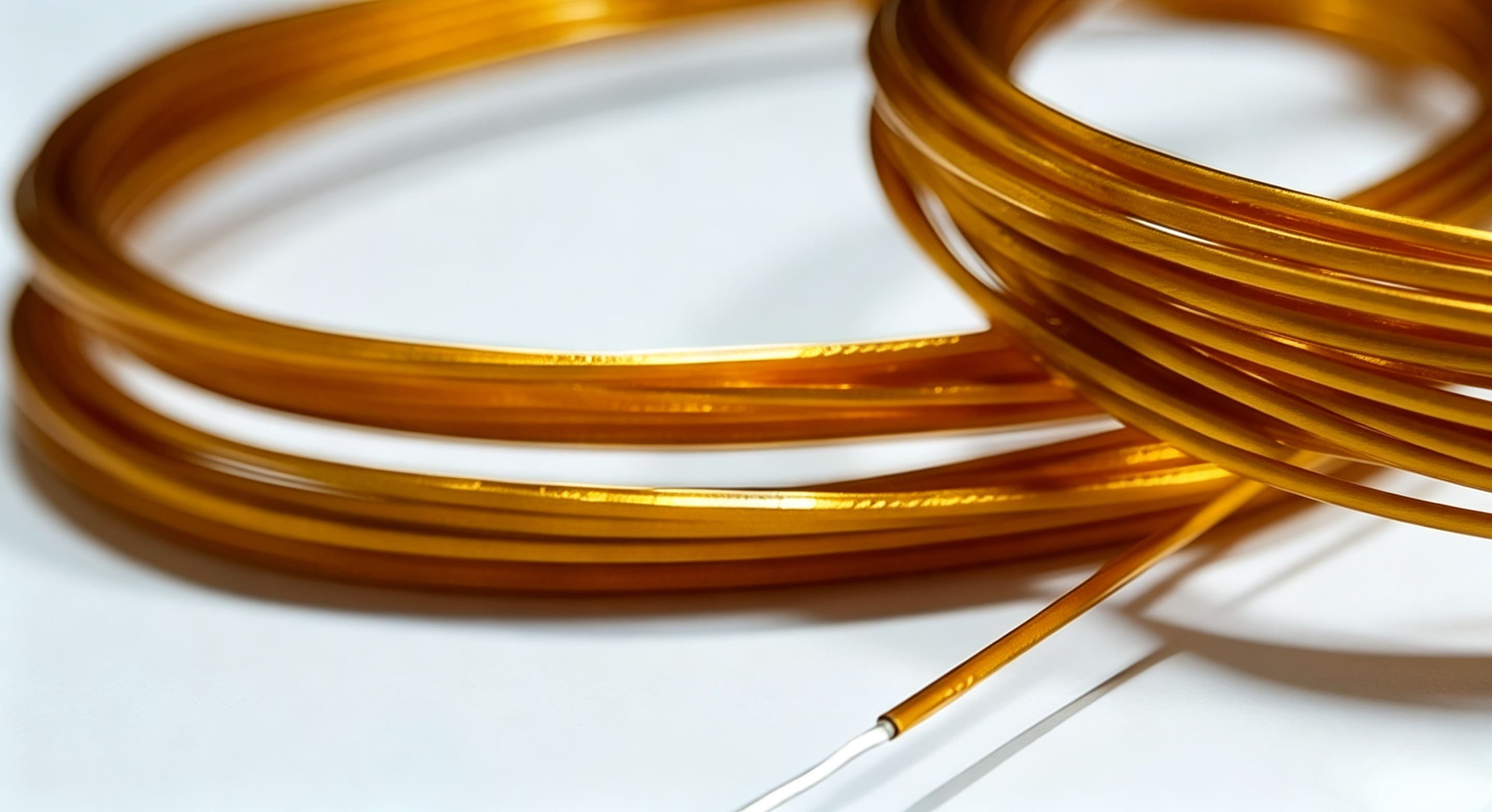
    In modern industrial automation, aerospace engineering, advanced medical instrumentation, and deep-sea exploration, the integrity of electrical interconnect systems frequently dictates the success or failure of an entire project. As equipment scales down in size while scaling up in performance, standard off-the-shelf wiring configurations rapidly reveal their limitations. When confronted with extreme thermal cycles, intense radiation fields, corrosive chemical exposure, or punishing spatial constraints, engineering teams frequently encounter unique interconnect challenges that require them to design a bespoke Customized Special Cable tailored to exact performance metrics. Among the specialized insulation materials available to developers, polyimide—famously recognized by its DuPont trade name, Kapton—stands out as an irreplaceable asset for high-performance wiring. However, executing a successful design utilizing this material involves far more than simply swapping out a standard thermoplastic jacket. To avoid premature field failures and manufacturing bottlenecks, developers must thoroughly understand the material's physical boundaries, the unique constraints of its production lifecycle, and the subtle mechanical nuances of integrating it into a broader system architecture. Decoding the Physical and Chemical Foundations of Polyimide To design effectively with Kapton, an engineer must first appreciate the molecular robustness that gives this material its reputation. Unlike conventional insulation alternatives such as Polyvinyl Chloride (PVC), Polyurethane (PUR), or even various fluoropolymers like PTFE, polyimide possesses an aromatic backbone that yields exceptional thermal stability and mechanical toughness. It maintains its structural integrity and electrical properties across a breathtaking temperature spectrum, operating reliably from cryogenic realms as low as -269°C up to intermittent exposures exceeding 400°C. Beyond its thermal boundaries, Kapton exhibits an exceptionally high dielectric strength. This allows design engineers to achieve excellent electrical isolation with incredibly thin walls. For weight-sensitive aerospace wire harnesses or dense multi-conductor umbilical cables, minimizing insulation thickness directly translates to massive reductions in total system mass and volume. Additionally, the material is highly resistant to ionizing radiation and exhibits near-total inertness to most organic solvents, acids, and fuels, making it a staple in nuclear engineering, semiconductor fabrication facilities, and orbital spacecraft.     Thermal Management Boundaries and Conductor Synergy When managing intense thermal profiles, an engineer cannot evaluate the insulation material in a vacuum. While ordinary specialty wiring might survive minor industrial heat spikes, applications pushing past 250°C expose standard insulation to thermal degradation, softening, or catastrophic outgassing. In these demanding environments, designing and deploying a robust High Temperature Resistant Kapton Cable becomes the definitive engineering choice to guarantee system survival. This specialized construction ensures the cable retains its structural flexibility and electrical barrier properties without suffering from the cold-shattering typical of standard plastics in cryogenic environments or melting under severe thermal overloads. However, a common pitfall in high-temperature design is failing to match the insulation's thermal capability with an appropriate conductor metallurgy. At elevated temperatures, standard bare copper wire oxidizes rapidly, causing a sharp increase in electrical resistance and eventual mechanical failure. To combat this, engineers must pair the polyimide insulation with silver-plated copper for continuous operation up to 200°C, or nickel-plated copper for environments reaching 250°C to 400°C. This holistic approach ensures that the conductor and the insulation degrade at compatible rates, preserving the long-term operational lifespan of the entire interconnect assembly. The Realities of the Tape-Wrapping Process and Structural Constraints From a manufacturing perspective, polyimide behaves very differently from traditional melt-processable thermoplastics. Because pure polyimide does not possess a conventional melting point and will not flow smoothly under heat, it cannot be extruded over a conductor using standard crosshead extrusion machinery. Instead, manufacturing a polyimide-insulated core relies on a precision tape-wrapping process, where thin ribbons of Kapton film are spirally wound around the moving conductor at a highly controlled overlap rate, typically ranging between 25% and 50%. To transform these wrapped layers into a continuous, impervious insulating barrier, manufacturers utilize a composite film coated with a thin layer of Fluorinated Ethylene Propylene (FEP). After the wrapping sequence, the raw cable passes through a high-temperature sintering oven where the FEP melts and acts as a thermoplastic adhesive, fusing the polyimide layers permanently together. This tape-wrapping methodology introduces several unique design constraints that engineers must account for during the initial drafting phase. First, the spirally wrapped layers create an inherent directionality within the insulation structure, meaning that an excessively tight bend radius or repetitive localized twisting can induce micro-interlayer shearing or stress concentration points. Second, while the sintering process seals the layers effectively against nominal moisture, applications requiring complete submersion or exposure to high-pressure fluids may necessitate a secondary extruded fluoropolymer outer jacket to guarantee absolute moisture sealing. Finally, the overlap zones naturally create subtle, periodic variations in the cable’s outer diameter, forcing engineers to incorporate slightly wider mechanical tolerances when calculating the fill ratios of tight conduits or connectors. High-Frequency Signal Integrity and Vacuum Mitigation In sophisticated communications, radar telemetry, and sensor arrays, cables must do more than deliver raw electrical power; they must preserve the absolute fidelity of high-frequency waveforms. In high-vacuum or ultra-high-vacuum (UHV) environments—such as those encountered within orbital satellites, deep-space probes, or semiconductor lithography chambers—the phenomenon of material outgassing poses a severe threat. If an insulation material releases volatile condensable matter under vacuum conditions, those particles will inevitably migrate and deposit onto delicate optical lenses, solar arrays, or sensitive sensor faces, rendering multi-million-dollar systems useless. Polyimide is highly favored in vacuum architectures due to its exceptionally low outgassing profile and its stable dielectric constant across variable frequencies. When a system demands the transmission of sensitive radio frequency or microwave signals within these clean, confined spaces, specifying a high-performance Kapton Insulated Coaxial Cable has become a fundamental architectural paradigm. This configuration leverages the ultra-thin wall capabilities of tape-wrapped polyimide alongside precisely woven shielding braids to deliver a highly stable, predictable characteristic impedance, such as 50 or 75 ohms. The resulting assembly minimizes signal attenuation and electromagnetic interference while shrinking the cable’s physical footprint, allowing it to navigate the dense, complex routing paths found in modern aerospace and scientific apparatus.     Multi-Core Configurations and Mechanical Integration Dynamics As the complexity of custom cabling scales upward, designers are frequently tasked with bundling diverse functionalities into a single, unified composite jacket. A single multi-core assembly might require the simultaneous integration of high-current power lines, low-voltage control twisted pairs, high-frequency coaxial elements, and even pneumatic or fluidic supply tubes. Managing the internal geometry of such a complex cross-section requires a deep understanding of mechanical interaction. Because cured polyimide insulation is inherently stiffer and possesses higher tensile resilience than soft elastomers, its behavior during cable twisting and cabling operations must be carefully managed. Designers must optimize the lay length—the distance required for a single conductor to complete one full revolution around the cable axis—to balance overall flexibility with structural torque. If the lay length is too long, the cable becomes stiff and prone to kinking; if it is too short, internal stresses accumulate rapidly. Furthermore, because the hard surface of Kapton can cause abrasive wear against softer materials during repeated dynamic bending, incorporating appropriate internal fillers is vital. Utilizing materials such as expanded PTFE fillers or aramid strength members helps maintain a perfectly round cable profile while eliminating internal void spaces. Introducing thin, low-friction separating tapes between the internal layers ensures that the individual components can slide smoothly past one another when the cable flexes, preventing localized stress buildup and ensuring the long-term mechanical survival of the assembly in dynamic applications like robotic articulating arms or heavy industrial tracks. Engaging with these material realities early in the conceptual phase transforms cable design from a game of trial-and-error into a predictable, rigorous engineering discipline. By balancing electrical demands, thermal realities, and manufacturing limitations from day one, engineering teams can successfully deliver robust, high-yield interconnect solutions that thrive within the world's most unforgiving operating environments.
    CZYTAJ WIĘCEJ
  • Why PEEK Insulated Cables Are Essential for Nuclear and Aerospace Systems
    May 18, 2026
    In the vanguard of modern engineering, equipment is frequently deployed into environments that fundamentally challenge the limits of material science. From the internal sensor networks of advanced nuclear reactors to the intricate telemetry systems aboard deep space probes, electrical interconnects must survive conditions that would instantly destroy standard industrial components. Extreme thermal cycling, constant bombardment by high-energy radiation, severe mechanical vibration, and exposure to corrosive chemicals create a complex matrix of failure points for conventional wiring. When traditional insulation materials degrade, the consequences extend far beyond a simple loss of power. Dielectric failure introduces signal attenuation, severe electromagnetic interference, and catastrophic short circuits that can compromise entire multi-million-dollar missions. Addressing these extreme physical and chemical challenges requires a foundational shift in material selection at the earliest stages of project design. Partnering with specialized Peek Cable Manufacturers provides design engineers with access to precision-extruded wiring systems that undergo rigorous high-frequency network analysis and accelerated aging tests. By utilizing Polyetheretherketone (PEEK) as the core insulating polymer, the aerospace and nuclear industries are actively rewriting the standards for long-term electrical reliability.   The Bottleneck of Traditional Insulation Materials To fully grasp the engineering value of high-performance polymers, it is necessary to examine the operational limitations of legacy materials. For decades, Polytetrafluoroethylene (PTFE, commonly known as Teflon) and Cross-linked Polyethylene (XLPE) have been the default choices for demanding environments. While PTFE exhibits exceptional thermal stability and chemical resistance, it fails dramatically across two critical performance metrics: radiation resistance and mechanical cut-through strength. When deployed in nuclear facilities or exposed to the unshielded environment of outer space, PTFE is subjected to constant bombardment by cosmic rays, gamma radiation, and fast neutrons. This ionizing radiation induces rapid molecular chain scission within the fluoropolymer. The material swiftly becomes brittle, developing micro-cracks that obliterate its dielectric strength. Furthermore, PTFE is a fundamentally soft material. Within the tightly packed, high-vibration routing channels of aircraft bulkheads or satellite chassis, the constant friction against metal fixtures easily causes the insulation to wear away or be sliced open by sharp edges. Engineers previously compensated for this by utilizing thick-walled insulation or adding heavy metallic conduit systems. However, adding unnecessary bulk and weight directly contradicts the aerospace industry's mandate for SWaP (Size, Weight, and Power) optimization.   The Molecular Architecture of Polyetheretherketone The solution to these multifaceted engineering bottlenecks lies in the unique molecular structure of PEEK. As a semi-crystalline, aromatic thermoplastic, its polymer backbone is constructed from rigid benzene rings alternating with flexible ether bonds. This specific configuration grants the material an extraordinary combination of thermal stability, mechanical toughness, and chemical inertness. PEEK maintains a continuous operating temperature of 260°C and can withstand transient thermal spikes well above 300°C without melting or deforming. Mechanically, PEEK is incredibly robust, possessing high tensile strength and superior abrasion resistance. In the realm of cable manufacturing, this mechanical hardness translates into a massive design advantage: thin-wall extrusion. The insulation layer can be extruded to a fraction of the thickness required for PTFE while simultaneously delivering higher voltage ratings and unmatched cut-through resistance. For commercial aviation and low-orbit satellite constellations, where hundreds of kilometers of wiring are installed, thin-wall PEEK insulation dramatically reduces the overall outer diameter of the cable harness. This saves vital interior space and sheds hundreds of kilograms of dead weight, allowing for increased payload capacity and extended operational ranges. Additionally, PEEK is inherently suited for hard vacuums. Unlike standard plastics that release volatile organic compounds under low pressure, PEEK maintains exceptionally low Total Mass Loss (TML) and Collected Volatile Condensable Materials (CVCM). This guarantees that sensitive optical lenses, star trackers, and spectroscopic sensors remain free from outgassing contamination.   Radiation Hardening for Reactor Containment and Instrumentation The nuclear energy sector presents an arguably harsher operating environment than aerospace. Materials utilized within reactor containment zones must not only operate flawlessly for decades under normal conditions but also survive extreme safety events, such as a Loss of Coolant Accident (LOCA), where temperatures, pressures, and radiation levels spike simultaneously.     Inside a reactor environment, high-energy gamma rays possess deep penetrating power, capable of fracturing the carbon-carbon or carbon-fluorine bonds of most plastics. Standard polymers will completely embrittle and turn to dust after absorbing a dose of $10^6$ Rads. Conversely, the aromatic ring structure of PEEK highly effectively absorbs and dissipates ionizing radiation energy. PEEK can withstand cumulative radiation doses exceeding $10^9$ Rads without experiencing significant cross-linking or physical degradation. Deploying a specialized Radiation Resistant Cable inside the containment building, spent fuel pools, or along the beamlines of particle accelerators ensures that critical sensor data remains uninterrupted. By eliminating the risk of radiation-induced embrittlement, these cables prevent signal loss and drastically reduce the need for hazardous, costly manual maintenance in high-radiation zones.   Real-World Engineering Triumphs Across Industries The paradigm shift brought about by PEEK insulation is most evident when examining specific applications where failure is not an option. Design engineers are leveraging these materials to solve complex data transmission problems across a variety of extreme sectors. In-Core Monitoring for Small Modular Reactors (SMRs) The next generation of atomic energy relies on Small Modular Reactors, which feature highly compact designs requiring dense internal sensor networks. These sensors monitor neutron flux, core temperatures, and pressure thresholds in real time. Cables routed near the core face localized gamma and neutron radiation that would destroy ordinary wiring in weeks. PEEK-insulated wiring ensures the dielectric barrier remains intact, allowing micro-volt signals from the detectors to reach the control room without distortion or current leakage. Deep Space Probes and LEO Constellations Spacecraft traveling beyond Earth's protective magnetosphere endure a brutal mix of solar radiation, atomic oxygen erosion, and violent thermal cycling from direct solar exposure to the freezing shadow of orbital eclipses. PEEK’s mechanical toughness protects the copper or silver-plated conductors from physical stress during launch vibrations, while its resistance to extreme cold prevents the jacket from shattering. The resulting lightweight harness systems ensure high-frequency telemetry data is transmitted flawlessly across millions of miles. Linear Accelerators (LINAC) in Medical Oncology Advanced medical equipment, such as the Linear Accelerators used for targeted cancer radiotherapy, generates intense high-energy X-rays. The internal routing of these massive machines operates within a field of secondary radiation and heavy electromagnetic noise. If the data cables connecting the imaging systems to the processing units degrade due to this radiation, the resulting impedance mismatch can cause severe imaging artifacts. PEEK insulation maintains its physical and electrical properties, ensuring diagnostic imaging remains razor-sharp over the machine's extended operational life. High-Pressure High-Temperature (HPHT) Downhole Logging Tools In the oil and gas industry, geological evaluation requires lowering sensitive telemetry tools kilometers underground. These downhole environments subject equipment to temperatures over 200°C, extreme hydrostatic pressure, and highly corrosive mixtures of hydrogen sulfide, saltwater, and synthetic drilling muds. Standard cables suffer from decompression sickness—absorbing gases under immense pressure and rupturing as the tool is pulled back to the surface. PEEK’s dense molecular structure forms an impenetrable barrier against harsh chemicals and high-pressure gases, keeping the internal electronics completely isolated.   Fire Safety and Unyielding Chemical Immunity Beyond thermal and radiation extremes, system designers must account for fire safety and chemical exposure. Whether in a commercial aircraft cabin or a subterranean nuclear facility, electrical fires present a catastrophic threat. PEEK is inherently flame retardant, achieving a UL94 V-0 rating without the addition of toxic halogenated fire retardants. It is a true Low Smoke Zero Halogen (LSZH) material. In the event of extreme heat or direct flame, it releases minimal smoke and virtually no corrosive or toxic gases, preserving visibility for evacuation and preventing acidic damage to surrounding delicate electronics. Furthermore, PEEK exhibits broad-spectrum chemical inertness. It remains entirely unaffected by continuous exposure to aviation fuels, Skydrol hydraulic fluids, industrial solvents, and high-concentration acids or bases. This complete chemical immunity ensures that cables routed through engine nacelles or chemical processing plants will not swell, soften, or suffer a drop in insulation resistance.   High-Frequency Signal Integrity and Triaxial Architecture Modern extreme-environment applications demand more than simple power delivery; they require the real-time transmission of massive volumes of high-frequency data and ultra-low-voltage analog signals. Environments like high-energy physics labs and aerospace communication hubs are saturated with Electromagnetic Interference (EMI), Radio Frequency Interference (RFI), and triboelectric noise generated by mechanical vibration. To preserve signal fidelity in these conditions, the internal dielectric material must possess a stable dielectric constant (Dk) and a low dissipation factor (Df) across a wide range of temperatures and frequencies. PEEK excels in this regard, preventing signal attenuation and capacitive losses. However, for the most sensitive instrumentation, advanced material science must be paired with complex structural design.   For high-precision data acquisition, engineers utilize triaxial configurations. This involves a central core conductor, a PEEK dielectric layer, an inner metallic shield, a second isolating PEEK dielectric, and an outer metallic shield. This dual-shielded architecture entirely breaks ground loops and isolates the core signal from aggressive external noise. Achieving this requires meticulous extrusion precision to maintain exact concentricity and insulation thickness. By specifying a custom-engineered Insulated Triaxial Cable, system architects guarantee a perfectly stable 50-ohm characteristic impedance. This prevents high-frequency signal reflection and standing waves, ensuring that whether measuring a microscopic fluctuation in a nuclear reactor or transmitting telemetry from a satellite, the data arrives with absolute, uncorrupted accuracy. The convergence of high-performance polymer chemistry with advanced microwave cable engineering has redefined what is possible in system design. As aerospace and nuclear technologies continue to push further into uncharted operational parameters, the foundational infrastructure relies entirely on materials engineered to eliminate failure. PEEK insulated wire systems stand directly at the center of this technological progression, providing the essential lifelines for the world's most critical and demanding applications.  
    CZYTAJ WIĘCEJ
  • 3 najlepsze specjalistyczne kable do pracy w trudnych warunkach: PEEK, fluoroelastomer i kable antykapilarne
    May 13, 2026
    Wybierając kable do trudnych warunków, stajesz przed trudnym wyborem. Kable PEEK, fluoroelastomerowe i antykapilarne wyróżniają się jako najlepsze rozwiązania, ponieważ doskonale radzą sobie z działaniem substancji chemicznych, wilgocią, ekstremalnymi temperaturami i obciążeniami mechanicznymi. Te specjalistyczne kable zapewniają trwałą ochronę przed kwasami, wnikaniem wody i obciążeniami fizycznymi, gwarantując niezawodne działanie. Wybierając kabel, weź pod uwagę specyficzne czynniki stresu występujące w Twoim otoczeniu, aby dopasować odpowiedni kabel do swoich potrzeb. Najważniejsze wnioskiKable PEEK doskonale sprawdzają się w ekstremalnych temperaturach i są odporne na działanie substancji chemicznych, dzięki czemu idealnie nadają się do zastosowań w branżach o wysokich wymaganiach, takich jak przemysł naftowo-gazowy i lotniczy.Kable fluoroelastomerowe zapewniają doskonałą elastyczność i ochronę przed substancjami chemicznymi i wilgocią, idealne do zastosowań takich jak produkcja półprzewodników.Kable antykapilarne zapobiegają uszkodzeniu delikatnych podzespołów elektronicznych przez wilgoć, gwarantując niezawodność w wilgotnych warunkach, np. na morzu i w środowisku przemysłowym.Wybierając kable, należy wziąć pod uwagę konkretne wyzwania środowiskowe, takie jak temperatura, substancje chemiczne i wilgotność, aby wybrać opcję najlepiej odpowiadającą Twoim potrzebom.Skonsultuj się ze specjalistami od kabli, aby potwierdzić zgodność materiałów i zastosować najlepsze praktyki instalacyjne zapewniające długoterminową niezawodność w trudnych warunkach. Dlaczego kable specjalistyczne są ważne Definiowanie trudnych środowiskKable pracują w trudnych warunkach, w których muszą być eksploatowane. Dotyczy to zakładów przemysłowych, instalacji zewnętrznych, sieci podziemnych i lokalizacji niebezpiecznych. Kable specjalistyczne do trudnych warunków są zaprojektowane tak, aby sprostać wyzwaniom takim jak ekstremalne temperatury, ekspozycja na substancje chemiczne, wilgoć i obciążenia mechaniczne. Normy branżowe klasyfikują środowiska na podstawie rodzaju włókna i jego zastosowania:Typ włóknaOpisAplikacjaOS1Zaprojektowany głównie do instalacji jednomodowych wewnątrz budynkówBudowanie szkieletowych systemów komunikacyjnychOS2Zoptymalizowany pod kątem dalekosiężnej komunikacji na zewnątrzKampusy przemysłowe i sieci infrastrukturyOM1 / OM2Wczesne projekty wielomodoweKrótkie odległości komunikacyjne w budynkach przemysłowychOM3 / OM4Rozwiązania wielomodowe o dużej przepustowościSieci automatyzacji i systemy komunikacji danychNależy również uwzględnić wymogi regulacyjne. Na przykład zgodność z dyrektywą RoHS ogranicza stosowanie substancji niebezpiecznych w izolacji i osłonach kabli, zapewniając bezpieczeństwo środowiskowe. Wiele jurysdykcji wymaga dokumentacji i prawidłowej instalacji, aby spełnić normy bezpieczeństwa. Wyzwania związane z wydajnością kabliKable specjalistyczne napotykają szereg wyzwań w zakresie wydajności w trudnych warunkach. Wysokie temperatury przyspieszają starzenie się izolacji, czyniąc ją kruchą i podatną na pękanie. Cykle termiczne powodują rozszerzanie się i kurczenie, co prowadzi do naprężeń mechanicznych i potencjalnych uszkodzeń. Ekspozycja na substancje chemiczne zawarte w kwasach, alkaliach i rozpuszczalnikach może powodować degradację materiałów izolacyjnych. Naprężenia mechaniczne spowodowane wibracjami, zginaniem i rozciąganiem mogą negatywnie wpływać na wydajność kabla.Wskazówka: Wybieraj specjalistyczne kable z trwałymi osłonami i zaawansowanymi kompozycjami polimerowymi, aby zwiększyć niezawodność w ekstremalnych warunkach.Potrzebujesz kabli, które oferują:Odporność na ekstremalne temperatury, wilgoć i substancje chemiczneOchrona przed wibracjami, obciążeniami fizycznymi i promieniowaniem UVWysoka wytrzymałość na rozciąganie podczas montażu i eksploatacjiElastyczna konstrukcja umożliwiająca łatwe prowadzenie przez ciasne przestrzenieFunkcja projektowaOpisWytrzymałe kurtki zewnętrzneChronić przed ścieraniem, chemikaliami, wilgocią i promieniowaniem UVKable światłowodowe pancerneZapewniają ochronę przed zgnieceniem, uszkodzeniami spowodowanymi przez gryzonie i uderzeniami mechanicznymiWysoka wytrzymałość na rozciąganieWytrzymuje siły ciągnące występujące podczas instalacji i eksploatacjiElastyczna konstrukcja kablaUmożliwia łatwe prowadzenie przewodów przez urządzenia, kanały i ciasne przestrzenie bez uszkadzania włókienNajnowsze osiągnięcia w dziedzinie specjalistycznych materiałów kablowych obejmują polimery usieciowane i specjalistyczne osłony ochronne. Te innowacje pomagają kablom wytrzymać wysokie temperatury, wilgoć i naprężenia fizyczne, dzięki czemu idealnie nadają się do wymagających sektorów, takich jak energetyka, transport i obronność. Przegląd kabli PEEKBudownictwo i materiałyPotrzebujesz kabli, które zapewnią stałą wydajność w ekstremalnych warunkach. CITCable Kable PEEK wykorzystują zaawansowaną konstrukcję Metody i materiały zapewniające trwałość i niezawodność. Przewodnik zazwyczaj wykonany jest z cynowanej miedzi lub gołej miedzi, co poprawia przewodność i zapobiega korozji. Warstwa izolacyjna wykonana jest z PEEK-u, wysokowydajnego polimeru zapewniającego doskonałą ochronę elektryczną i mechaniczną. Niektóre projekty zawierają dodatkową warstwę osłony dla lepszej ochrony.FunkcjaOpisDyrygentMiedź cynowana lub miedź goła zapewniająca lepszą przewodność i odporność na korozję.Warstwa izolacyjnaPEEK zapewnia doskonałą ochronę elektryczną i mechaniczną.Warstwa osłonowa (opcjonalnie)Dodatkowa osłona zapewniająca lepszą ochronę.Odporność na wysoką temperaturęPracuje w sposób ciągły w temperaturach do 260°C.OgnioodpornośćSpełnia normę UL 94 V-0, zapobiegając rozprzestrzenianiu się ognia.Odporność chemicznaNadaje się do stosowania w trudnych warunkach ze względu na doskonałą odporność na korozję chemiczną.Wytrzymałość mechanicznaWysoka wytrzymałość i odporność na ścieranie gwarantują trwałość w trudnych warunkach.Izolacja elektrycznaDobre parametry izolacji elektrycznej zapewniające stabilną transmisję sygnału.BiozgodnośćNieszkodliwe dla organizmu człowieka, nadają się do stosowania w urządzeniach medycznych i implantach.LekkiZmniejsza całkowitą wagę kabla, zwiększając jego użyteczność.Uwaga: Kable PEEK firmy CITCable spełniają surowe normy branżowe dotyczące ognioodporności i biokompatybilności. Możesz polegać na tych kablach zarówno w zastosowaniach przemysłowych, jak i medycznych. Główne cechyWybierając kable PEEK do pracy w trudnych warunkach, zyskujesz szereg kluczowych cech. Izolacja PEEK zapewnia wyjątkową odporność na temperaturę, umożliwiając ciągłą pracę w temperaturach do 240°C. Materiał jest odporny na większość chemikaliów, z wyjątkiem stężonego kwasu siarkowego, dzięki czemu idealnie nadaje się do środowisk korozyjnych. Wzmocnione gatunki PEEK zapewniają wysoką wytrzymałość mechaniczną i odporność na ścieranie.NieruchomośćKable PEEKInne typy kabliOdporność na temperaturęDługotrwałe użytkowanie do 240°CRóżnie, zazwyczaj niżejOdporność chemicznaDoskonały, z wyjątkiem stężonego kwasu siarkowegoRóżnie, często mniej odpornyWytrzymałość mechanicznaWysokie, wzmocnione gatunki zapewniają większą wytrzymałośćOgólnie niższy niż PEEKZyskujesz również niezawodną izolację elektryczną, która gwarantuje stabilną transmisję sygnału. Lekka konstrukcja zmniejsza nakład pracy podczas instalacji i poprawia funkcjonalność. Kable PEEK firmy CITCable oferują ognioodporność, zgodną z normą UL 94 V-0, co zapobiega rozprzestrzenianiu się ognia w środowiskach krytycznych. Zalety w trudnych warunkachKable PEEK firmy CITCable doskonale sprawdzają się w trudnych warunkach, w których występują ekstremalne temperatury, agresywne chemikalia i obciążenia mechaniczne. Możesz używać tych specjalistycznych kabli w miejscach wymagających wysokiej wydajności i długotrwałej niezawodności. Izolacja PEEK jest odporna na korozję, promieniowanie i pękanie naprężeniowe. Unikasz częstych wymian i przestojów, ponieważ kable te zachowują integralność w trudnych warunkach.Wskazówka: Jeśli potrzebujesz kabli przeznaczonych do pracy w środowisku o wysokiej temperaturze, korozyjnym lub pod wysokim ciśnieniem, rozważ rozwiązania kablowe PEEK firmy CITCable przeznaczone do trudnych warunków.Korzyścią jest również biokompatybilność, dzięki której kable PEEK nadają się do urządzeń medycznych i implantów. Właściwości trudnopalne chronią Twój sprzęt i personel w miejscach niebezpiecznych. Możesz być pewien, że te kable zapewnią stałą wydajność w sektorach naftowo-gazowym, lotniczym i przemysłowym. Typowe zastosowaniaZnajdziesz Kable PEEK w szerokiej ofercie Branże wymagające solidnej wydajności. Kable PEEK firmy CITCable radzą sobie z wyzwaniami środowiskowymi, takimi jak korozja, promieniowanie i zużycie mechaniczne. Typowe zastosowania obejmują:Lotnictwo i kosmonautyka: Wsporniki, opaski zaciskowe i wiązki przewodów wykonane są z kabli PEEK, które charakteryzują się niską wagą i odpornością chemiczną.Medycyna: klatki kręgosłupa, uchwyty chirurgiczne i urządzenia wszczepialne wymagają biokompatybilności i stabilności sterylizacji.Elektronika: Złącza i elementy mocujące PCB charakteryzują się wytrzymałością dielektryczną i stabilnością termiczną.Motoryzacja: W listwach paliwowych, przekładniach i uszczelnieniach zastosowano kable PEEK zapewniające odporność na ciepło i substancje chemiczne.Ropa naftowa i gaz: Łożyska i uszczelnienia wymagają wydajności HPHT i odporności chemicznej.Przemysł: Obudowy pomp i przekładnie muszą charakteryzować się odpornością na zużycie i stabilnością wymiarową.Jeśli potrzebujesz więcej informacji o specjalistycznych kablach przeznaczonych do trudnych warunków, zapoznaj się z rozwiązaniami kablowymi CITCable odpornymi na wysokie temperatury lub odpornymi na korozję produktami kablowymi do wymagających zastosowań.Wskazówka: Możesz zwiększyć niezawodność i bezpieczeństwo systemu, wybierając kable PEEK firmy CITCable do pracy w trudnych warunkach. Te specjalistyczne kable oferują niezrównaną trwałość i wydajność. Przegląd kabli fluoroelastomerowychWłaściwości materiałuPotrzebujesz kabli, które wytrzymają najtrudniejsze warunki. Fluoroelastomery zapewniają wyjątkową odporność na temperaturę, chemikalia i zużycie. Producenci często wzbogacają te materiały o nanorurki grafenowe, które dodatkowo zwiększają trwałość i wydajność. Zyskujesz kabel, który zachowuje elastyczność i integralność nawet w kontakcie z agresywnymi chemikaliami lub wysoką temperaturą. To sprawia, że ​​kable fluoroelastomerowe idealnie nadają się do wysokowydajnych zastosowań w elektronice, automatyce przemysłowej i środowiskach, w których niezawodność ma największe znaczenie.Wskazówka: Wybierz kable fluoroelastomerowe, jeśli potrzebujesz stabilnej pracy w środowiskach korozyjnych lub w wysokiej temperaturze. Główne cechyWybierając kable fluoroelastomerowe do pracy w trudnych warunkach, zyskujesz szereg korzyści. Poniższa tabela przedstawia cechy, które wyróżniają te kable:FunkcjaOpisWysoka wydajnośćNajwyższa w branży odporność na działanie substancji chemicznych, ciepła i plazmy.Zaprojektowane do pracy w trudnych warunkachDoskonale nadaje się do wymagających zastosowań, takich jak urządzenia do trawienia półprzewodników, gdzie odporność plazmy i długa żywotność mają kluczowe znaczenie.Wydłużone okresy między przeglądamiWyjątkowa trwałość pomaga ograniczyć degradację uszczelnień, co przekłada się na dłuższy czas sprawności i bezpieczeństwo operacyjne.Możesz polegać na tych specjalistycznych kablach, które zapewniają stabilną pracę i minimalizują przestoje. Solidna konstrukcja gwarantuje ochronę Twojego sprzętu nawet w najbardziej wymagających warunkach. Korzyści dla środowiskaKable fluoroelastomerowe oferują wyjątkowe korzyści środowiskowe. Zapewniają doskonałą odporność na kwasy, rozpuszczalniki i ekstremalne temperatury. Materiał zapobiega degradacji pod wpływem promieniowania UV i ozonu, co wydłuża żywotność kabla. Pozwala to uniknąć częstych wymian i obniżyć koszty konserwacji. Kable te są również odporne na działanie plazmy, dzięki czemu nadają się do środowisk, w których występują wyładowania elektryczne lub procesy wysokoenergetyczne.Wskazanie: Wybierając kable fluoroelastomerowe do pracy w trudnych warunkach, można zwiększyć bezpieczeństwo operacyjne i niezawodność.Więcej informacji na temat odpornych na korozję rozwiązań kablowych przeznaczonych do trudnych warunków można znaleźć w naszym poradniku dotyczącym specjalistycznych kabli o wysokiej wydajności. Typowe zastosowaniaKable fluoroelastomerowe są stosowane w wielu wymagających branżach. Kable te wspierają krytyczne operacje w:Produkcja półprzewodników: Kable odporne na działanie plazmy zapewniają stabilną pracę w urządzeniach do trawienia i osadzania.Zakłady przetwórstwa chemicznego: Kable kwasoodporne chronią systemy pomiarowe i sterujące.Lotnictwo i obronność: Kable odporne na wysokie temperatury zachowują integralność podczas lotu i operacji o znaczeniu krytycznym.Poszukiwania ropy naftowej i gazu: Specjalistyczne kable przeznaczone do trudnych warunków środowiskowych są odporne na działanie agresywnych substancji chemicznych i ekstremalnych temperatur.Automatyka przemysłowa: Elastyczne kable do stosowania w ciasnych przestrzeniach zapewniają niezawodną transmisję sygnału i trwałość mechaniczną.Więcej informacji na temat elastycznych kabli do automatyki przemysłowej i kabli kwasoodpornych do obróbki chemicznej można znaleźć na naszej stronie poświęconej specjalistycznym rozwiązaniom kablowym.Uwaga: Zwiększysz niezawodność systemu i skrócisz okresy między przeglądami, wybierając kable fluoroelastomerowe do pracy w trudnych warunkach. Przegląd kabli antykapilarnychZasady projektowaniaPotrzebujesz kabli, które blokują dostęp wilgoci do wrażliwych elementów elektronicznych. Konstrukcje kabli antykapilarnych rozwiązują ten problem, przerywając ścieżkę kapilarną wewnątrz przewodów wielożyłowych. W standardowych kablach, niewielkie puste przestrzenie między żyłami miedzianymi działają jak rurki kapilarne. Pod wpływem wody lub wysokiej wilgotności, podciśnienie wciąga wilgoć wzdłuż przewodu. Wilgoć ta może ominąć uszczelnienia i dotrzeć do krytycznych podzespołów, powodując awarie, które często są mylone z wadami uszczelnień.Kable antykapilarne wykorzystują specjalistyczną konstrukcję przewodów i metody zalewania, aby zapobiec migracji cieczy. Symetryczna struktura przewodów zapewnia równomierne uszczelnienie i izolację. Asymetryczna konstrukcja blokuje również zjawisko kapilary po wypełnieniu odpowiednimi substancjami. Te zasady projektowania zapobiegają przemieszczaniu się wilgoci wzdłuż przewodu, chroniąc urządzenia w wymagających warunkach.Konstrukcja przewodu antykapilarnego zapobiega przemieszczaniu się płynu wzdłuż żył przewodnika.Symetryczna konstrukcja zwiększa szczelność i niezawodność.Konstrukcje asymetryczne z wypełniaczami i izolacją skutecznie blokują podciąganie kapilarne.Wskazówka: W środowiskach, w których wilgoć może stwarzać ryzyko uszkodzenia delikatnych urządzeń elektronicznych, należy wybierać kable antykapilarne. Główne cechyWybierając kable antykapilarne do pracy w trudnych warunkach, zyskujesz szereg korzyści. Kable te zawierają związki uszczelniające, które zapobiegają migracji płynów poprzez działanie kapilarne. Konstrukcja kabli upraszcza rozwiązania uszczelniające i zmniejsza potrzebę stosowania zewnętrznych metod uszczelniania. Chroni to urządzenia elektroniczne przed uszkodzeniami spowodowanymi kontaktem z płynami i poprawia niezawodność w środowiskach narażonych na działanie płynów.FunkcjaKable antykapilarneStandardowe kable odporne na wilgoćZapobieganie migracji płynówZapobiega migracji płynów poprzez działanie kapilarneUmożliwia przedostawanie się pewnej ilości płynu przez szczelinyBudowaZawiera substancję uszczelniającą barieręStandardowa izolacja bez masy uszczelniającejNiezawodność i trwałośćZwiększona niezawodność w środowiskach narażonych na działanie płynówMniej niezawodny w podobnych warunkachOchrona urządzeń elektronicznychZabezpiecza przed uszkodzeniami spowodowanymi przez płynyWyższe ryzyko uszkodzenia w wyniku narażenia na działanie płynówUproszczone rozwiązania uszczelniająceZmniejsza potrzebę stosowania zewnętrznych metod uszczelnianiaCzęsto wymaga dodatkowych środków uszczelniającychWydajność w trudnych warunkachZaprojektowane do ekstremalnych warunków (np. wysokich temperatur)Ograniczona wydajność w trudnych warunkachWięcej informacji na temat konstrukcji kabli antykapilarnych można znaleźć w naszym poradniku dotyczącym kabli blokujących wilgoć w zastosowaniach przemysłowych. Korzyści z odporności na wilgoćStosując kable antykapilarne, unikniesz kosztownych przestojów i awarii sprzętu. Kable te zapobiegają migracji wilgoci wzdłuż przewodu, nawet w środowiskach o wysokiej wilgotności lub narażonych na bezpośrednie działanie wody. Zmniejsza to ryzyko korozji, zwarć i degradacji sygnału. Konstrukcje antykapilarne upraszczają również instalację, ponieważ nie wymagają dodatkowych uszczelnień.Wskazanie: Kable antykapilarne zapewniają doskonałą odporność na wilgoć, dzięki czemu idealnie nadają się do instalacji podziemnych, środowisk morskich i zewnętrznych sieci czujników.Więcej informacji na temat odpornych na wilgoć rozwiązań kablowych przeznaczonych do trudnych warunków można znaleźć w naszym materiale poświęconym specjalistycznym kablom wodoodpornym. Przykłady zastosowańKable antykapilarne można znaleźć w branżach, w których wnikanie wilgoci zagraża niezawodności systemu. Kable te wspierają krytyczne operacje w:Pomiary geotechniczne: Kable blokujące wilgoć chronią czujniki i rejestratory danych stosowane w monitorowaniu gleby i wód gruntowych.Poszukiwania ropy naftowej i gazu: Kable antykapilarne zapewniają niezawodną transmisję sygnału w wilgotnych i korozyjnych środowiskach.Platformy morskie i offshore: Specjalistyczne kable do trudnych warunków środowiskowych zapobiegają przenikaniu wody i zabezpieczają systemy komunikacyjne.Monitorowanie środowiska: Wodoodporne kable dla sieci czujników zapewniają integralność danych na zewnątrz i w odległych lokalizacjach.Automatyka przemysłowa: Konstrukcje antykapilarne zapewniają solidną wydajność w obszarach mycia i wilgotnych zakładach produkcyjnych.Więcej informacji na temat specjalistycznych kabli przeznaczonych do trudnych warunków można znaleźć w naszej ofercie kabli antykapilarnych do zastosowań geotechnicznych i morskich. Porównanie kabli specjalistycznychMocne i słabe stronyPorównując kable specjalistyczne do trudnych warunków, należy skupić się na tym, jak każdy typ sprawdza się w różnych warunkach naprężeń. Poniższa tabela przedstawia porównawczą wytrzymałość kabli fluoroelastomerowych i kabli antykapilarnych pod względem odporności na temperaturę, substancje chemiczne i wilgoć:TworzywoOdporność na temperaturęOdporność chemicznaOdporność na wilgoćFluoroelastomerWysokiDoskonałyDoskonałyPrzeciwkapilarnyUmiarkowanyDobryDoskonałyZERKAĆNie dotyczyNie dotyczyNie dotyczyOdkryjesz, że:Kable fluoroelastomerowe charakteryzują się doskonałą odpornością na wilgoć i substancje chemiczne. Zachowują elastyczność i wytrzymują ekstremalne temperatury, co czyni je doskonałym wyborem do zastosowań w środowiskach takich jak statki czy obiekty jądrowe.Kable antykapilarne wykorzystują specjalną konstrukcję, która zapobiega migracji płynów. Ta cecha zapewnia doskonałą odporność na wilgoć, co jest niezbędne w miejscach z wodą lub innymi płynami.Kable PEEK zapewniają doskonałą wydajność w wysokich temperaturach i agresywnych chemicznie środowiskach. Charakteryzują się również dużą wytrzymałością mechaniczną, jednak szczegółowe dane porównawcze dotyczące odporności na wilgoć nie są dostępne.Wskazówka: Zawsze dopasowuj wytrzymałość kabla do najtrudniejszych wyzwań środowiskowych, z jakimi się mierzysz. Wskazówki dotyczące wyboruWybierając kable specjalistyczne, należy wziąć pod uwagę specyficzne wymagania aplikacji. Jeśli potrzebujesz wysokiej elastyczności i odporności na działanie chemikaliów i wilgoci, kable fluoroelastomerowe doskonale sprawdzą się w automatyce przemysłowej lub przetwórstwie chemicznym. W instalacjach, w których wnikanie wody stanowi największe ryzyko, kable antykapilarne chronią wrażliwą elektronikę i zapewniają długotrwałą niezawodność. Gdy w Twoim otoczeniu kable są narażone na działanie ekstremalnie wysokich temperatur lub agresywnych chemikaliów, kable PEEK zapewniają niezbędną trwałość i stabilność.Inne specjalistyczne kable, takie jak kable pancerne do ochrony mechanicznej lub kable hybrydowe do łączonego przesyłu energii i danych, również spełniają specyficzne wymagania trudnych warunków środowiskowych. Na przykład kable geotechniczne wspomagają monitoring podziemny, gdzie wilgoć i ruchy gleby zagrażają integralności sygnału.Uwaga: Przed dokonaniem ostatecznego wyboru należy ocenić ryzyko związane z temperaturą, chemikaliami i wilgocią w danym środowisku. Specjalistyczne kable przeznaczone do pracy w trudnych warunkach pomagają utrzymać wydajność systemu i obniżyć koszty konserwacji.Używane słowa kluczowe z długim ogonem: rozwiązania w zakresie kabli wysokotemperaturowych, produkty kablowe odporne na korozję, elastyczne kable do automatyki przemysłowej, wodoodporne kable do sieci czujników. Każdy kabel specjalistyczny zapewnia unikalne korzyści. Kable PEEK zapewniają odporność na wysokie temperatury i substancje chemiczne. Kable fluoroelastomerowe zapewniają elastyczność i doskonałą ochronę przed chemikaliami i wilgocią. Kable antykapilarne blokują migrację cieczy, zapewniając niezawodną pracę w wilgotnych warunkach. Aby wybrać odpowiedni kabel do trudnych warunków, sprawdź limity temperatur, kompatybilność chemiczną, ochronę przed wilgocią i wytrzymałość mechaniczną. Skonsultuj się ze specjalistami od kabli, aby potwierdzić stopień ochrony IP, kompatybilność materiałową i najlepsze praktyki instalacyjne. Te kroki pomogą Ci osiągnąć długotrwałą niezawodność kabli specjalistycznych w trudnych warunkach. Często zadawane pytaniaCo sprawia, że ​​kable PEEK idealnie nadają się do stosowania w środowiskach o wysokiej temperaturze?Kable PEEK Wytrzymują ciągłą pracę w temperaturach do 260°C. Ich właściwości ognioodporne i odporność chemiczna sprawiają, że kable PEEK są najlepszym wyborem do zastosowań wysokotemperaturowych w wymagających branżach.W jaki sposób kable antykapilarne zapobiegają uszkodzeniom spowodowanym wilgocią?Kable antykapilarne wykorzystują specjalistyczne konstrukcje przewodów i uszczelniające związki barierowe. Zapobiegają one migracji płynów wzdłuż przewodu, co chroni wrażliwą elektronikę. Taka konstrukcja zapewnia niezawodną pracę wodoodpornych kabli w sieciach czujników.Czy kable z fluoroelastomeru są odporne na działanie substancji chemicznych?Tak. Kable z fluoroelastomeru są odporne na działanie kwasów, rozpuszczalników i plazmy. Zyskujesz dłuższą żywotność i krótsze okresy między przeglądami. Kable te to doskonałe, odporne na korozję produkty do pracy w trudnych warunkach.Gdzie należy stosować kable specjalistyczne do pracy w trudnych warunkach?Kable specjalistyczne należy instalować w instalacjach do poszukiwania ropy naftowej i gazu, na platformach morskich, w automatyce przemysłowej i w monitoringu środowiska. Kable te zapewniają solidną wydajność i chronią systemy przed ekstremalnymi warunkami.Jak wybrać właściwy kabel specjalistyczny do danego zastosowania?Należy ocenić ryzyko związane z temperaturą, substancjami chemicznymi i wilgocią. Należy sprawdzić kompatybilność materiałów i wymagania instalacyjne. Skonsultować się z ekspertami, aby dopasować elastyczne kable do automatyki przemysłowej lub kable odporne na wilgoć do konkretnych potrzeb.
    CZYTAJ WIĘCEJ
  • Dlaczego kabel Twojego robota tak często zawodzi?
    May 09, 2026
    W zakładzie produkcyjnym o dużej prędkości jedna minuta przestoju może kosztować tysiące dolarów. Gdy ramię robota zatrzymuje się w trakcie ruchu, przyczyną często nie jest silnik ani oprogramowanie, ale niewielkie pęknięcie w okablowaniu wewnętrznym. Dlatego zrozumienie ograniczeń mechanicznych linii zasilających i sygnałowych jest kluczowe. Korzystanie z… wysokiej jakości Elastyczny kabel jest najskuteczniejszą metodą zapobiegania tym cichym zabójcom produktywności, gdyż kable te są specjalnie zaprojektowane tak, aby wytrzymać miliony cykli zginania bez wewnętrznej degradacji. Nauka „Flex Life” w automatyceNie wszystkie kable, które się wyginają, są prawdziwie „elastyczne” w sensie przemysłowym. Standardowe kable są przeznaczone do instalacji statycznych, podczas gdy kable robotyczne muszą wytrzymywać ciągłe skręcanie wieloosiowe. Jeśli użyjesz kabla o niskiej wytrzymałości na zginanie, miedziane żyły w jego wnętrzu ulegną z czasem wzmocnieniu i pękną. Kable klasy profesjonalnej wykorzystują wyjątkowo cienkie żyły miedziane i specjalistyczne długości skoku, aby zapewnić równomierne rozłożenie naprężeń wynikających z ruchu na całej wiązce przewodów. Unikanie przerażającego efektu „korkociągu”Czy widziałeś kiedyś kabel, który wygląda na skręcony lub zaplątany w osłonie? Zjawisko to nazywa się „korkociągiem” i zwykle występuje, gdy wewnętrzne elementy kabla nie są wyważone, aby zapewnić ciągły ruch. W przypadku złożonych systemów sterowania, Ekranowany elastyczny kabel sterowniczy został zaprojektowany z rdzeniem o niskim tarciu i wytłaczaną pod ciśnieniem osłoną, która utrzymuje przewody na miejscu, zapobiegając ich przesuwaniu się i splątywaniu nawet podczas szybkich, powtarzalnych ruchów w torze kablowym. Zabójcy środowiska: oleje, ciepło i chemikaliaHala fabryczna to nieprzyjazne środowisko. Kable są często spryskiwane olejami chłodząco-smarującymi, narażone na iskry spawalnicze lub poddawane ekstremalnym wahaniom temperatury. Standardowa osłona z PVC szybko staje się krucha i pęka w takich warunkach. Wybór odpowiedniego materiału osłony – takiego jak poliuretan (PUR) lub specjalistyczny TPE – gwarantuje, że kabel pozostanie giętki i ochronny, chroniąc delikatne sygnały elektryczne przed trudnymi warunkami zewnętrznymi panującymi na linii montażowej. Zarządzanie zakłóceniami elektromagnetycznymi (EMI)W miarę jak integrujemy coraz więcej czujników i technologii bezprzewodowych z naszymi robotami, rośnie ryzyko „szumów” sygnału. Linie wysokiego napięcia mogą zakłócać wrażliwe linie transmisji danych, jeśli ekranowanie jest niewystarczające. Jest to szczególnie istotne w przypadku… Wysoce elastyczny kabel odporny na skręcanie, który musi zapewniać 360-stopniową skuteczność ekranowania. Bez wysokiej jakości cynowanego oplotu miedzianego, Twój robot może doświadczać „błędów widmowych” lub nieregularnego zachowania, które jest niezwykle trudne do zdiagnozowania. Znaczenie minimalnego promienia gięciaKażdy inżynier próbował upchnąć kabel w zbyt małej przestrzeni. Przekroczenie minimalnego promienia gięcia określonego przez producenta powoduje fizyczne rozciąganie izolacji zewnętrznej i ściskanie rdzenia wewnętrznego. Prowadzi to do nagrzewania się i ostatecznie do uszkodzenia izolacji. Zawsze obliczaj wymiary toru kablowego na podstawie reguły 10x lub 7,5x średnicy, aby zapewnić długą żywotność wiązki przewodów. Obniżanie kosztów konserwacji dzięki lepszemu projektowaniuOstatecznie, każdy menedżer operacyjny dąży do wydajności. Wymiana uszkodzonego kabla w ciasnej celi robotycznej to pracochłonny proces, wymagający zaangażowania wyspecjalizowanych techników. Inwestując od samego początku w wysokiej jakości, elastyczne okablowanie, zmniejszasz długoterminowy koszt posiadania. Nie kupujesz tylko miedzi i plastiku; kupujesz gwarancję, że Twoja linia produkcyjna będzie działać nieprzerwanie, dzień i noc.  
    CZYTAJ WIĘCEJ
  • Dlaczego PEEK jest stosowany w przewodach medycznych?
    Apr 29, 2026
    W szybko rozwijających się dziedzinach chirurgii małoinwazyjnej, neurostymulacji i wszczepialnych urządzeń medycznych margines błędu jest zerowy. Podczas projektowania ultracienkich KABEL MEDYCZNY który zostanie wszczepiony do ludzkiego ciała, inżynierowie stają przed poważnym wyzwaniem: znalezieniem powłoki dielektrycznej, która będzie biokompatybilna, niezwykle cienka i bardzo trwała.Przez dziesięciolecia testowano różne fluoropolimery i tworzywa sztuczne, ale PEEK (polieteroeteroketon) stała się złotym standardem. Jako firma oparta na technologii producent ultracienkich kabli koncentrycznych do zastosowań medycznych, CITCable często konsultuje się z zespołami badawczo-rozwojowymi w sprawie wyboru materiałów.Oto dogłębna analiza inżynieryjna, która wyjaśnia, dlaczego PEEK jest materiałem pierwszego wyboru do produkcji przewodów medycznych nowej generacji i jak wypada w porównaniu z innymi zaawansowanymi powłokami.  1. Wyjątkowa biokompatybilność i obojętność chemicznaPodstawowym wymogiem stawianym każdemu wyrobowi medycznemu jest bezpieczeństwo pacjenta. PEEK jest wysoko ceniony ze względu na swoją obojętność chemiczną. Nie reaguje z krwią, tkankami ani płynami ustrojowymi, nie ulega degradacji i nie uwalnia toksycznych produktów ubocznych z upływem czasu.Ta wyjątkowa biokompatybilność sprawia, że Przewód medyczny PEEK Idealny zarówno do krótkoterminowych narzędzi chirurgicznych (takich jak cewniki i narzędzia endoskopowe), jak i do długoterminowych urządzeń wszczepialnych (takich jak rozruszniki serca i neuromodulatory). Z łatwością przechodzi rygorystyczne testy biokompatybilności zgodnie z normami ISO 10993 i USP klasy VI. 2. Bezkonkurencyjna odporność na wielokrotną sterylizacjęSprzęt medyczny musi być poddawany rygorystycznym procesom sterylizacji między użyciami, aby zapobiec zanieczyszczeniu krzyżowemu. Wiele standardowych polimerów topi się, staje się kruche lub traci właściwości dielektryczne po wielokrotnej sterylizacji.PEEK jest jednak wysokowydajnym tworzywem termoplastycznym o temperaturze topnienia wynoszącej około 343°C (649°F). Przewód PEEK może bez wysiłku wytrzymać tysiące cykli:Autoklawowanie parą wysokociśnieniową (134°C)Promieniowanie gammaTlenek etylenu (EtO) gazSterylizacja wiązką elektronówJego struktura molekularna pozostaje całkowicie stabilna, co gwarantuje, że sygnały elektryczne przesyłane przez rdzeń przewodnika nigdy nie zostaną zakłócone. 3. Wysoka wytrzymałość dielektryczna umożliwiająca ekstremalną miniaturyzacjęPonieważ chirurdzy domagają się mniejszych i bardziej elastycznych narzędzi do poruszania się po skomplikowanych układach naczyniowych człowieka, przewody wewnątrz tych narzędzi muszą się odpowiednio skurczyć.PEEK charakteryzuje się doskonałą wytrzymałością dielektryczną (właściwościami izolacyjnymi). Pozwala to producentom takim jak CITCable na wytłaczanie powłok o wyjątkowo cienkich ściankach na mikroprzewodnikach, zapobiegając jednocześnie upływom prądu i zwarciom. Ta zdolność do cienkich ścianek ma kluczowe znaczenie w przypadku matryc czujników o dużej gęstości i ultracienkich kabli koncentrycznych do zastosowań medycznych, gdzie przestrzeń jest absolutnie ograniczona. Chociaż PEEK jest niezwykły, projektanci urządzeń często pytają, jak wypada w porównaniu z innym popularnym polimerem o wysokiej wydajności: poliimidem (PI).Odporność na ścieranie: PEEK charakteryzuje się wyższą wytrzymałością mechaniczną i odpornością na ścieranie w porównaniu z PI. Jeśli drut będzie narażony na tarcie fizyczne (np. podczas przesuwania się przez ciasne światło cewnika), PEEK jest lepszym wyborem.Grubość ścianki: Chociaż PEEK można wytłaczać bardzo cienko, Drut medyczny poliimidowy (często nakładana metodą zanurzeniową) pozwala na uzyskanie jeszcze cieńszych ścianek, dzięki czemu PI doskonale nadaje się do najmniejszych mikrodrutów.Elastyczność: Poliimid jest z reguły nieco sztywniejszy, natomiast PEEK oferuje wyjątkową równowagę między podatnością na rozciąganie a elastycznością. W CITCable rozumiemy, że żaden pojedynczy materiał nie rozwiąże każdego problemu inżynieryjnego. Dlatego oferujemy zarówno wytłaczane elementy z PEEK, jak i precyzyjne powłoki PI (takie jak nasze wysoce wyspecjalizowane Drut medyczny z powłoką S316L PI I Powłoka platynowo-irydowa PI) aby spełnić Twoje dokładne wymagania konstrukcyjne. 
    CZYTAJ WIĘCEJ
  • Które parametry są najbardziej narażone na utratę kontroli w masowej produkcji ultracienkich kabli czujnikowych?
    Które parametry są najbardziej narażone na utratę kontroli w masowej produkcji ultracienkich kabli czujnikowych?
    Jan 06, 2026
    Które parametry są najbardziej narażone na utratę kontroli w masowej produkcji ultracienkich kabli czujnikowych?Czujnik wysokiej temperatury W systemach kable rzadko są najbardziej widocznymi elementami, ale mają bezpośredni wpływ na stabilność systemu, jego użyteczność i ostateczną jakość obrazu. W przypadku systemów z dużą liczbą kanałów aplikacje: ·Kabel do czujników wysokiej temperatury· Kabel czujnika poziomu cieczy· Kabel czujnika nadajnika·Kabel do czujników temperatury NTC·Kabel czujników silnika samochodowego·Kabel czujnika oleju lub gazu i skrzyni biegów·Czujniki termistorowe NTC/PTC·Kabel czujników RTD·Kabel czujnika termopary·Kabel czujników silnikaNa tym etapie parametry, które wydają się dobrze kontrolowane w przypadku próbek pochodzących z małych partii, mogą stopniowo ujawniać problemy ze spójnością podczas produkcji na dużą skalę, co ostatecznie wpływa na niezawodność dostaw i długoterminową wydajność.Od walidacji prototypu do produkcji masowej: gdzie zaczyna się ryzykoW fazie prototypu wolumeny produkcji są ograniczone, a produkcja często ma charakter przerywany. W takich warunkach parametry można ściśle monitorować i dostosowywać z relatywnie dużą elastycznością.Po rozpoczęciu produkcji masowej, produkcja przechodzi na długotrwałą, ciągłą pracę. Zmiany w liczbie operatorów, stanie materiałów i stabilności sprzętu zaczynają się z czasem kumulować, systematycznie wzmacniając wcześniej kontrolowane wahania parametrów.W przypadku ultracienkich, wielordzeniowych kabli sensorowych do zastosowań medycznych wyzwaniem nie jest zgodność pojedynczego parametru ze specyfikacją, ale spójność wszystkich parametrów krytycznych w długich cyklach produkcyjnych i wielu partiach. To jedna z fundamentalnych różnic między kablami medycznymi a przewodami elektronicznymi ogólnego przeznaczenia.Kluczowe parametry najbardziej wrażliwe na wahania produkcji masowej Wysoka wydajność i Spójność pojemności i impedancji pojedynczego rdzenia. Kable często składają się z 64, 128 lub nawet większej liczby kanałów, a poszczególne przewodniki zazwyczaj mieszczą się w zakresie 20–50 AWG. Nawet jeśli każdy pojedynczy rdzeń spełnia założenia projektowe, nadmierna zmienność między rdzeniami może prowadzić do problemów na poziomie systemu, takich jak niedopasowanie amplitudy sygnału i nierównomierna jasność obrazu.W praktycznych zastosowaniach inżynieryjnych wahania krytycznych parametrów elektrycznych między rdzeniami zwykle muszą być kontrolowane w granicach ±10% lub ściślej, aby zapobiec pogorszeniu wydajności spowodowanemu przez nakładanie się sygnałów wielokanałowych.Stabilność struktur o niskiej pojemności. Aby spełnić wymagania dotyczące niskiego obciążenia i niskiego poziomu szumów, kable do obrazowania medycznego często pracują przy pojemności jednostkowej wynoszącej około 40–70 pF/m. Takie konstrukcje o niskiej pojemności stawiają wyższe wymagania dotyczące stabilności materiału i kontroli procesu. Wszelkie wahania podczas produkcji masowej mogą bezpośrednio wpłynąć na ogólną wydajność systemu.Spójność geometryczna w strukturach wielordzeniowych. Wraz ze zmniejszaniem się średnicy przewodów i wzrostem liczby rdzeni, w strukturze kabla mogą kumulować się drobne odchylenia geometryczne. Zmiany średnicy zewnętrznej, koncentryczności i ułożenia rdzeni mogą pośrednio wpływać na kontrolę impedancji, stabilność pojemności i długoterminową niezawodność mechaniczną.Spójność struktur ekranowania. W przypadku transmisji sygnałów medycznych o wysokiej częstotliwości, zasięg ekranowania i stabilność mają kluczowe znaczenie. Zmiany w strukturze ekranowania podczas produkcji masowej mogą zmniejszyć odporność na zakłócenia elektromagnetyczne i negatywnie wpłynąć na stabilność obrazowania.Dlaczego testy jednordzeniowe nie wystarczą. Zaliczenie testów jednordzeniowych nie gwarantuje stabilnej pracy systemu w wielordzeniowych kablach medycznych. Gdy dziesiątki, a nawet setki kanałów działają jednocześnie, niewielkie różnice parametrów mogą zostać wzmocnione przez efekt superpozycji.W systemach obrazowania medycznego te niespójności często objawiają się widocznymi artefaktami obrazu, a nie prostymi odchyleniami elektrycznymi. W rezultacie, prawdziwy problem inżynieryjny polega na utrzymaniu spójności na poziomie wiązek w warunkach produkcji masowej, a nie na optymalizacji pojedynczego przewodnika w izolacji.Problemy, które zazwyczaj pojawiają się dopiero po zwiększeniu skali produkcji. Niektóre zagrożenia rzadko pojawiają się na wczesnym etapie walidacji, ale stopniowo narastają w trakcie produkcji masowej. Należą do nich: poszerzone rozkłady parametrów między partiami (takich jak pojemność i impedancja charakterystyczna), niewielki dryft wydajności po długich, ciągłych cyklach produkcyjnych oraz defekty o niskim prawdopodobieństwie wystąpienia, które stają się statystycznie istotne przy większych wolumenach dostaw.Jeśli kwestie te nie zostaną wzięte pod uwagę na wczesnym etapie projektowania i opracowywania procesów, mogą stanowić poważne zagrożenie dla harmonogramów dostaw i długoterminowej niezawodności urządzeń.Co sprawia, że ​​kabel sensorowy jest naprawdę wykonalny. W przypadku zastosowań czujnikowych osiągnięcie ekstremalnych wartości parametrów nie jest ostatecznym celem. Wykonalne rozwiązanie w zakresie kabli medycznych musi działać w ramach rozsądnych marginesów projektowych, oferując jednocześnie długoterminową stabilność, spójność między partiami i powtarzalną możliwość produkcji.Dlatego też już na najwcześniejszych etapach projektowania i wyboru kabli należy brać pod uwagę kwestię wykonalności produkcji masowej.Podejście inżynieryjne CITCABLE do masowej produkcji wielordzeniowych kabli sensorowych. CITCABLE od dawna specjalizuje się w projektowaniu i produkcji ultracienkich, wielordzeniowych kabli sensorowych do zastosowań medycznych. W aplikacjach o dużej liczbie kanałów CITCABLE koncentruje się na spójności i gotowości do produkcji masowej od samego początku.Dzięki systematycznej kontroli doboru materiałów, konstrukcji i stabilności procesu produkcyjnego, CITCABLE zapewnia niezawodną jakość sygnału przy jednoczesnym zachowaniu długoterminowej spójności produkcji. Wprowadzając koncepcję masowej produkcji już na etapie próbek inżynieryjnych, CITCABLE pomaga wszelkiego rodzaju urządzeniom czujnikowym płynnie przejść od etapu walidacji do stabilnej dostawy – tworząc solidny fundament dla niezawodnych rozwiązań w zakresie kabli czujnikowych. 
    CZYTAJ WIĘCEJ
  • Kabel mikrosensoryczny z osłoną PEEK
    Kabel mikrosensoryczny z osłoną PEEK
    Jan 28, 2026
    Produkt: 12C 36Mikroczujniki AWG Kabel  Certyfikaty:Zgodność z RoHS, Reach; zarządzanie fabryką ISO9001 Zastosowania: Czujniki,sprzęt medyczny,żywnośćsprzęt, olej i innePersonalizacja:Długość kabla i liczba rdzeni Zalety:1. Ultracienka konstrukcja mikrokabla 36AWG do czujników12-żyłowa struktura mikrokabla 36AWG zapewnia doskonałą integralność sygnału, niską pojemność i wysoką częstotliwość, co przekłada się na wyraźniejszy obraz i dokładniejsze wyniki diagnostyczne w systemach ultrasonografii okulistycznej.2. Kurtka Peek Jacket zapewniająca doskonałą odporność na działanie substancji chemicznych, ciepła i ścieranieZewnętrzna powłoka Peek charakteryzuje się wyjątkową trwałością, biokompatybilnością i odpornością na środki dezynfekujące, dzięki czemu kabel idealnie nadaje się do częstego czyszczenia klinicznego i długotrwałego użytkowania w środowisku medycznym.3. Elastyczna i lekka konstrukcja zaprojektowana z myślą o manewrowaniu sondąMikrośrednica konstrukcji kabla zapewnia wyjątkową elastyczność i łatwość obsługi, co zwiększa komfort operatora i umożliwia precyzyjne ruchy sondy podczas badań okulistycznych. 4. Możliwość dostosowania do wymagań OEM dotyczących czujników/urządzeń medycznychUmożliwia dostosowanie długości, impedancji, typu ekranowania, interfejsu złącza i konfiguracji rdzenia, zapewniając bezproblemową integrację z różnymi modelami sond ultradźwiękowych i systemami obrazowania medycznego.Często zadawane pytania:1. P: Jak cienkie mogą być kable czujników?A: Nasze kable mogą osiągnąć średnicę zewnętrzną zaledwie 0,1 mm, zapewniając jednocześnie doskonałe ekranowanie i integralność sygnału.2. P: Czy produkujecie kable na miejscu?A: Tak, dysponujemy pełnymi, wewnętrznymi możliwościami wytłaczania, oplatania, wykonywania kabli i testowania, co pozwala nam zapewnić spójność i niezawodność.3. P: Jakie wartości impedancji są dostępne?A: Standardowe opcje to rozmiary, ale dostępne są również konfiguracje niestandardowe.4. P: Jaka jest tolerancja impedancji?A: ±2Ω, co zapewnia niezawodną i szybką transmisję sygnału.5. P: Czy obsługujecie wielordzeniowe struktury równoległe?O: Tak, zespoły wielordzeniowe lub hybrydowe można dostosowywać.6. P: Jakie materiały są dostępne na powłoki zewnętrzne?A: Do powszechnie stosowanych materiałów należą: PVDF, ETFE, FEP, PFA, PTFE, PEEK, TPI, PI, FKM, Pt-silikon, TPU i TPX, w zależności od wymagań dotyczących temperatury i elastyczności.7. P: Czy obsługujecie niestandardowe specyfikacje?Odp.: Tak, impedancję, średnicę, długość, strukturę ekranowania i kolor można dostosować.8.P: Czy możesz dostarczyć rysunki lub zalecenia projektowe?A: Tak, udzielamy sugestii dotyczących struktury i układu w oparciu o wymagania elektryczne i mechaniczne.9. P: Jakie materiały przewodzące są dostępne?A: Do powszechnie stosowanych materiałów należą miedź posrebrzana, miedź cynowana, stop miedzi posrebrzanej, stop miedzi cynowanej, w zależności od rodzaju kablacechy.10.P: Jaki jest czas realizacji próbki?A: Zwykle10-15dni roboczych, do3tygodni w przypadku złożonych struktur.11.P: Czy posiadacie certyfikat UL?A: Niektóre modele posiadają certyfikat UL i wszystkie mogą zostać zaprojektowane tak, aby spełniać normy UL.  
    CZYTAJ WIĘCEJ
  • Jakie są alternatywy dla kabli wysokotemperaturowych niezawierające PFAS?
    Jan 21, 2026
     W obliczu globalnych przepisów, takich jak unijne rozporządzenie REACH i amerykańska ustawa EPA TSCA, zaostrzających ograniczenia dotyczące „wiecznych chemikaliów” (PFAS), inżynierowie motoryzacyjni i przemysłowi stają przed krytycznym wyzwaniem: w jaki sposób zastąpić fluoropolimery (takie jak PTFE, FEP i ETFE) w kable wysokotemperaturowe bez utraty wydajności?Przez dziesięciolecia fluoropolimery były złotym standardem pod względem odporności termicznej, obojętności chemicznej i wytrzymałości dielektrycznej. Jednak przejście na alternatywy bez PFAS nie jest już opcjonalne, lecz stanowi konieczność w łańcuchu dostaw. Największym błędem jest przekonanie, że żaden inny materiał nie jest w stanie wytrzymać temperatury 200°C. Choć jest to trudne, współczesna inżynieria polimerów opracowała solidne alternatywy, które są w pełni zgodne z wymaganiami:TPX: Zapewnia doskonałą odporność na zmęczenie i odporność na wysokie temperatury, dzięki czemu doskonale nadaje się do zastosowań dynamicznych.ZERKAĆ: Dzięki zaawansowanemu sieciowaniu radiacyjnemu, Peek może osiągnąć temperaturę około 260°C, co jest przydatne w wielu zastosowaniach pod maską samochodów.TPI: Lżejsza, nadająca się do recyklingu alternatywa o lepszych właściwościach dielektrycznych, często stosowana w przewodach o cienkich ściankach.Specjalistyczne gumy silikonowe: W przypadku ekstremalnych temperatur (powyżej 200°C) poddane obróbce formuły silikonowe zapewniają niezbędną stabilność termiczną bez śladu PFAS. Studium przypadku 1:Ochrona skrzyni biegów - gorący olej i agresywne płynyPrzewody automatycznej skrzyni biegów Pracują w jednym z najtrudniejszych możliwych warunków: zanurzone w gorącym płynie do automatycznych skrzyń biegów (ATF), który może chemicznie atakować standardową izolację. Tradycyjnie, domyślnym wyborem były tu fluoropolimery.Dla naszego Przewód do automatycznej skrzyni biegów odporny na płyny, CITCable Wykorzystuje zaawansowane materiały usieciowane, zaprojektowane specjalnie pod kątem odporności chemicznej. Materiały te tworzą barierę przed płynem ATF i gorącym olejem, zapewniając integralność sygnału jednostki sterującej skrzynią biegów (TCU) przez cały okres eksploatacji pojazdu. Modyfikując strukturę polimeru, osiągamy niezbędną odporność chemiczną bez polegania na wiązaniach węgiel-fluor, zdefiniowanych jako PFAS.  Studium przypadku 2: Precyzyjne pomiary w ekstremalnych temperaturach – stabilność termiczna i dokładnośćCzujniki znajdujące się w pobliżu bloku silnika lub układu wydechowego podlegają szybkim cyklom cieplnym. Czujnik wysokiej temperatury kabel nie może się topić, pękać ani tracić rezystancji izolacji w temperaturach przekraczających 200°C.Przeszliśmy na produkcję wybranych linii produktów, wykorzystując wysokiej jakości silikon wolny od PFAS oraz opatentowane mieszanki TPX. Materiały te przechodzą rygorystyczne testy starzenia cieplnego (ISO 6722), co dowodzi, że radzą sobie z obciążeniem termicznym równie dobrze, jak ich poprzednicy z PTFE. Dzięki temu systemy ABS i czujniki silnika nadal dostarczają dokładnych danych bez ryzyka związanego z przepisami.  Studium przypadku 3:Problem z odprowadzaniem wilgoci – zapobieganie wyciekom w wiązkach przewodówW układach samochodowych uszkodzone złącze może czasami powodować przedostawanie się płynów wzdłuż przewodu (podciąganie), co może doprowadzić do zniszczenia kosztownych elektronicznych jednostek sterujących (ECU).Nasz Główny kabel antykapilarny do zastosowań samochodowychWykorzystuje silikonopodobną substancję blokującą wstrzykiwaną pomiędzy żyły przewodu. Co najważniejsze, CITCable opracowało bezfluorowy środek blokujący. Gwarantuje to, że nawet w przypadku uszkodzenia izolacji, płyny takie jak woda czy olej nie mogą przedostać się przez kabel, a jednocześnie skład kabla jest w 100% wolny od PFAS.  Sektor pojazdów elektrycznych napędza popyt na materiały zrównoważone. Kable wysokiego napięcia w pojazdach elektrycznych muszą być elastyczne, trudnopalne i coraz bardziej przyjazne dla środowiska.CITCable's Nowy kabel EV Seria została zaprojektowana zgodnie z filozofią „Projektowania z myślą o recyklingu”. Odchodząc od fluoropolimerów, nie tylko spełniamy przyszłe przepisy, ale także zmniejszamy ślad węglowy w procesie produkcji kabli. Kable te spełniają wymagania dotyczące wysokiego napięcia stawiane nowoczesnym konstrukcjom pojazdów elektrycznych, jednocześnie spełniając surowe standardy środowiskowe globalnych producentów OEM. Często zadawane pytania P: Czy kable niezawierające związków PFAS naprawdę wytrzymują temperaturę 200°C? A: Tak. Chociaż standardowy PVC nie ma takiej możliwości, zaawansowane materiały, takie jak guma silikonowa o wysokiej konsystencji i specjalne usieciowane elastomery, wytrzymują temperatury 200°C i wyższe, co czyni je odpowiednim zamiennikiem PTFE w wielu zastosowaniach.P: Czy alternatywy bez PFAS są droższe? A: Początkowo specjalistyczne związki mogą być droższe od standardowych tworzyw sztucznych, ale często są porównywalne lub tańsze niż drogie fluoropolimery, takie jak FEP. Co więcej, koszt niezgodność (kary, wycofania produktów) są o wiele wyższe.P: Jak mogę sprawdzić, czy moje obecne kable zawierają PFAS? A: Szukaj materiałów oznaczonych jako PTFE, FEP, ETFE lub PVDF. Jeśli w specyfikacji technicznej są one wymienione, oznacza to, że używasz PFAS. Skontaktuj się z CITCable w celu przeprowadzenia audytu materiałowego i uzyskania alternatywnych rekomendacji.  
    CZYTAJ WIĘCEJ
  • Jak zagwarantować zachowanie integralności uszczelnienia kabla antykapilarnego w złączu lub punkcie końcowym?
    Sep 24, 2025
    W przypadku zastosowań o znaczeniu krytycznym w przemyśle naftowym i gazowym, systemach morskich, automatyce przemysłowej lub zewnętrznej infrastrukturze telekomunikacyjnej integralność systemu uszczelnień kabla nie jest tylko szczegółem konstrukcyjnym — jest to decydujący czynnik długoterminowej niezawodności. Kabel z drutu odpornego na olej i kapilaryKable z zablokowanym płynem i kable z zablokowanym wodą są powszechnie stosowane do ochrony wrażliwej transmisji sygnału w trudnych warunkach środowiskowych. Jednak nawet najbardziej zaawansowane konstrukcje kabli mogą ulec przedwczesnemu uszkodzeniu, jeśli integralność uszczelnienia złącza lub punktu końcowego zostanie naruszona. Dlaczego integralność uszczelnienia ma znaczenie w systemach kabli antykapilarnychTechnologia kabli antykapilarnych ma na celu zapobieganie przenikaniu płynów przez strukturę kabla. Płyny te – czy to olej, woda, czy inne chemikalia przemysłowe – mogą osłabiać izolację elektryczną, powodować korozję przewodów i zakłócać transmisję sygnału.Poniżej przedstawiono uproszczony opis wpływu uszczelnienia na wydajność kabla: ParametrBez skutecznego uszczelnieniaZ odpowiednim uszczelnieniemPenetracja wilgociDo 70% wyższe ryzykoPrawie 0%Szybkość korozjiZwiększa się 3-5xKontrolowanyUtrata sygnałuDo 40% degradacji10× średnica zewnętrznaZmniejsza naprężenia mechaniczneSiła pociągania przy zakończeniu
    CZYTAJ WIĘCEJ
1 2 3 4
W sumie 4 strony

zostaw wiadomość

zostaw wiadomość
Jeśli jesteś zainteresowany naszymi produktami i chcesz poznać więcej szczegółów, zostaw wiadomość tutaj, a my odpowiemy tak szybko, jak to możliwe.
składać
KONTAKT: sales@citcable.com

Dom

Produkty

WhatsApp

Skontaktuj się z nami